


Have you ever thought about the factors that make a person’s fate more illuminated or how they can change the whole course of the life of the person? The concept of the “Useful God” (Yong Shen) comes in here, which is one of the most important facets of BaZi or Chinese Astrology, and it helps to reveal your buried inner power. This old system pinpoints the element in your BaZi horoscope that is meant to sync with your inner energy and to bring balance, clarity, and success to your life. Yong Shen gives meaningful and powerful insights that are very much related to your own situation, whether you want to know more about yourself, take wise decisions, or take full advantage of your personal strengths. Let us take a look at how this vital element can bring about more alignment and purpose, and eventually reveal the great influence it has on your fate and daily life.
Understanding the Concept of Useful God
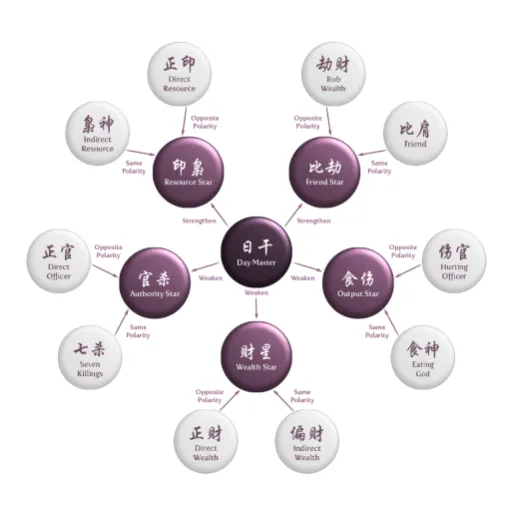
Definition of Useful God
The term “Useful God” is a creation of Chinese metaphysics and especially of the BaZi (Four Pillars of Destiny) analysis; it is a fundamental factor in one’s destiny chart interpretation. Every person has a certain element in their chart which is either their stabilizer or enhancer. In a way, it is a color that mixes with the five elements of nature – Wood, Fire, Earth, Metal, and Water – depending on its brightness and the chart’s characteristics. The opposite or the supporting of the corresponding element is found by observing the interplay of the chart.
Key Insight
If the Useful God is used properly, it will give the person a clear and practical guide to his life, to his relationships, and even to his personal and professional success. This concept many times has been called a personalized self-awareness framework that makes the decision-making process easier and life’s complexities less confusing.
Knowing and utilizing your Useful God will bring about positive changes in your personal and professional lives, and at the same time you will be able to feel more connected with your inner being and the universe around you.
Historical Background of Yong Shen in BaZi
The Yong Shen (Useful God) notion in BaZi is one of the Eight Characters of Chinese Metaphysics, the contemplative area in which it is guessed the character of the person through one’s birth date and time, and it is highly associated with traditional Chinese philosophy and astrology ideas. The Yong Shen concept is very closely linked to “Zi Ping Zhen Quan” an ancient Chinese text, as this text is said to be the source of Yong Shen concept which represents an element within a person’s BaZi chart that can unite the strengths and weaknesses of the elemental balance. The practitioners believe that if they can find out the weaker force then they can support it with corresponding characteristics or they can even eliminate the excessively strong areas.
The present-day understanding of Yong Shen has been shaped by and is still changing as more and more modern contemporary tools and technologies are introduced and combined. This trend indicates a revival of the Yong Shen practice since more and more people are longing for the easy-to-understand frameworks for themselves that lead to self-discovery and personal growth. The perseverance of this concept signals its importance; it is still able to both evolve and give clarifications in a rapidly changing and complicated world.
Importance of Useful God in Destiny Chart Analysis
The Useful God (Yong Shen) term is a very important aspect of BaZi Destiny Chart analysis. It not only points out the element that makes the individual’s representation very special and that also brings balance and unity to his/her character, but it also offers the very important insights into the individual’s potential life path as well as his/her strengths and weaknesses.
Growing Interest: Recent data shows a considerable increase in searches for “Useful God in BaZi” and related terms, indicating a growing global fascination with personalized metaphysical systems. This trend reveals that Yong Shen speaks to the very core of individuals who are after self-improvement and are looking for flexible decision-making methods.
By connecting the classical BaZi principles and the modern-day analytical trends, a practitioner can see wider how the ancient know-how is still relevant in contemporary climates. This natural fusion of old and new knowledge not only caters to the question of importance but also safeguards that the Yong Shen remains both within reach and applicable to the world that is facing different aspects of modern life.
The Four Pillars of Destiny and the Useful Element
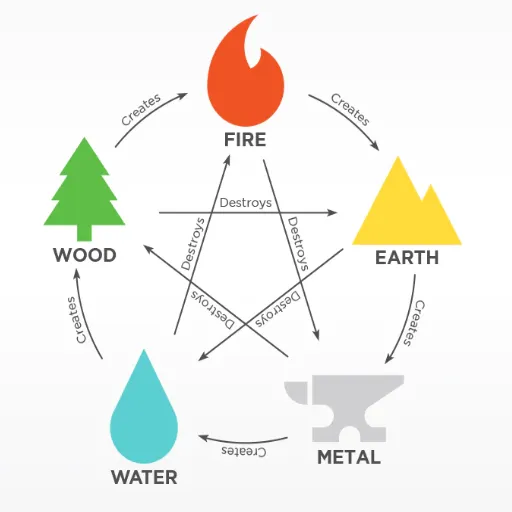
Overview of the Four Pillars of Destiny
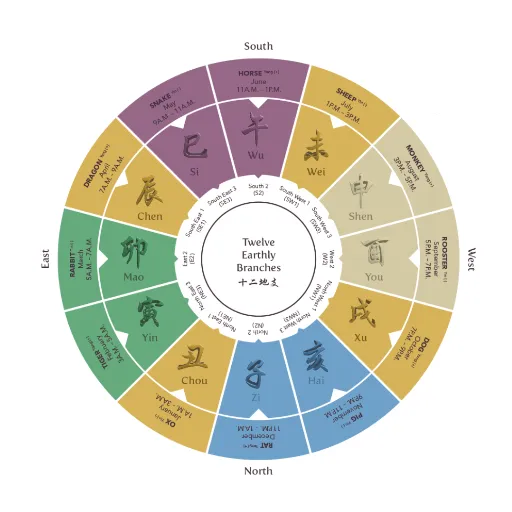
The Four Pillars of Destiny or BaZi, is a sophisticated system of Chinese metaphysics that helps determine an individual’s life path and potential. The year, month, day and hour of birth are the four pillars with each pillar signified by a heavenly stem and an earthly branch. The interaction of these elements generates a person’s chart which discloses his or her strengths, challenges, and opportunities.
Interest in BaZi has been on an upward trend globally according to the latest research data, and this trend has been consistent over the years, showing that traditional Eastern metaphysical practices are being recognized more and more. The top related searches include “how to calculate my BaZi chart” and “explanation of the useful element in BaZi” which indicates a need for guidance and simpler interpretation of this complex system.
How Useful God Fits into the BaZi Chart
The BaZi concept of “Useful God” is vital in specifying which good elements individuals can use for their balance and success. The BaZi axis cuts it that the Useful God is an element or influence that is persons’ chart based on their Day Master and the Five Elements interactions.
Steps to Find Your Useful God
- Calculate your BaZi chart with accurate birth data
- Identify the strong and weak elements in your chart
- Determine which element will balance the weakest aspect
- Apply this knowledge to career, relationships, and living spaces
For instance, if your chart is overly “dry,” then the Water or Wood elements may represent your Useful God if you are lucky to have them. Their presence can be applied directly to your career choices, personal life, and even living space. Forward-thinking insights along with this age-old wisdom guarantee not only precision but also speedy access to those who want to find peace amidst modern day standards.
Identifying Your Day Master and Its Relation to Useful God
Finding your Day Master is the initial phase of knowing how it relates to the Useful God. The Day Master is basically the main component of your BaZi (Four Pillars of Destiny) chart that tells a lot about your innate character, inclinations, and potential. Your birth date will then be scrutinized through the BaZi system to ascertain the Heavenly Stem of the Day Pillar that unearths your core element (Wood, Fire, Earth, Metal, or Water).
After the Day Master has been spotted, the Useful God is then worked out based on the specific element interactions and disparities within your chart. The use of modern tools facilitates access to reliable resources whereby they can calculate and interpret their Bazi charts. These resources range from in-depth tutorials to interactive calculators, bridging up the gap of traditional Chinese metaphysics with advanced technological convenience, thus making it easy for people all over the world to connect with this ancient practice.
Types of Gods in BaZi: A Closer Look
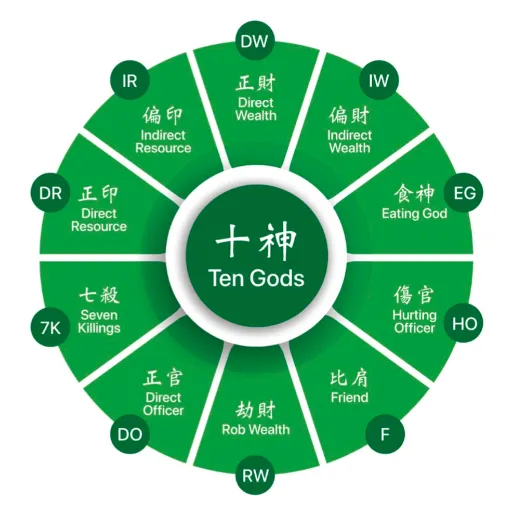
The 10 Gods in BaZi
The “10 Gods” in BaZi, or the Ten Heavenly Stems, are the most important symbols for reading and interpreting the BaZi chart of a person. It is a symbolic representation of Gods that impacts various aspects of life.
| God Name | Represents |
|---|---|
| Direct Officer | Structure, discipline, and authority |
| Seven Killings | Power, competition, challenges |
| Direct Wealth | Stable income, material resources |
| Indirect Wealth | Resourcefulness, unconventional opportunities |
| Eating God | Creativity, expression, output |
| Hurting Officer | Intelligence, rebellion, innovation |
| Proper Resource | Support, education, nurturing |
| Indirect Resource | Unconventional support, hidden help |
| Friend Star | Peers, companions, equals |
| Rob Wealth | Competition for resources, rivalry |
A person’s life side like career, money, love, and thoughts is opened through each of these gods. Recently, there has been growing popularity in career and decision making-related topics such as Direct Wealth and Seven Killings. This indicates that people are more frequently applying BaZi concepts to the clarification of their career desires and the opening of success pathways.
Understanding Favorable and Unfavorable Gods
Recent interest highlights a growing focus on separating the Gods that are favorable and unfavorable in BaZi charts. Many people want to know how these factors affect their private and professional lives.
Favorable Gods
- Harmony with internal power
- Beneficial vibrations
- Denote opportunities
- Areas where one could prosper
- Qualities to bring into play
Unfavorable Gods
- Point out difficulties
- Indicate weaknesses
- Spots needing cautious handling
- Potential obstacles
- Areas requiring attention
Using BaZi analysis in conjunction with these insights, people feel empowered to reduce the risks tied to Unfavorable Gods and make the most of the benefits granted by Favorable Gods. This subtle comprehension gives individuals the power to make life choices based on information that leads to equilibrium and serenity.
Role of Annoying God in Relation to Useful God
In BaZi, the Annoying God (also called Unfavorable God) concept indicates difficulties, hindrances, or even characteristics that might prevent an individual from succeeding. When viewed in conjunction with the Useful God (or Favorable God), the Annoying God acts as a resistance, often throwing situations that demand patience, flexibility, and creativity in solving problems.
Dynamic Balance: The two entities together facilitate a vibrant conception of the life situation being faced. The Useful God is linked with the domain of ease and opportunity, while the Annoying God brings forth the essential learning experiences that lead to personal growth.
The Annoying God, when rightly understood and approached, can be transformed into a kind of hidden companion that broadens the individual’s view of their own strengths and weaknesses. This duality presents a balanced method of dealing with life’s intricacies, thereby allowing a more harmonious life.
Practical Applications of Useful God in Daily Life
Leveraging the Useful Element for Personal Growth
People are increasingly interested in methods of self-improvement that go along with their natural tendencies and strengths. The Useful Element in a person’s BaZi Chart can be used by uncovering the connections between mindfulness, skill development, and emotional intelligence.
Tips for Personal Growth Using Useful Element
- Create personalized growth strategies that align with your natural strengths
- Build skills in areas that might be perceived as difficult but complement your Useful Element
- Track and evaluate your growth through the lens of elemental balance
- Set practical and attainable goals that resonate with your core element
- Navigate toward a harmonious existence by following your Useful Element guidance
Using Your BaZi Chart for Decision Making
A BaZi chart can be a major source of personal understanding and help when it comes to decision making. Recent trends can be used to spot patterns which are in line with the current context and popular interests. Let us say that your BaZi chart points out that you are a person of imagination and innovation; you may think of fields such as digital marketing or artificial intelligence, both of which have been reported to have considerable growth.
When you match the guidance of your chart with current trends that are backed by data, you will not only be able to make choices that are in harmony with your natural dispositions but also be strategically placed for triumph in the fast changing environment of today.
Better Relationships Through the Useful God Concept
The “Useful God” concept in the Bazi chart provides deep insights into how people can cultivate stronger, more peaceful relationships. The main idea of this concept is to find the key characteristics of a person that support their innate strengths and at the same time counterbalance their weaknesses.
Relationship Enhancement Checklist
- ✓ Understand your Useful God and how it influences communication
- ✓ Develop emotional intelligence aligned with your elemental strengths
- ✓ Practice conflict resolution techniques that resonate with your element
- ✓ Create supportive friendships that complement your natural tendencies
- ✓ Build enriching and everlasting connections across different social settings
By utilizing these insights and synchronizing them with your Useful God, you can not only create friendships that are supportive but also enriching and everlasting in different social settings.
Case Studies and Examples
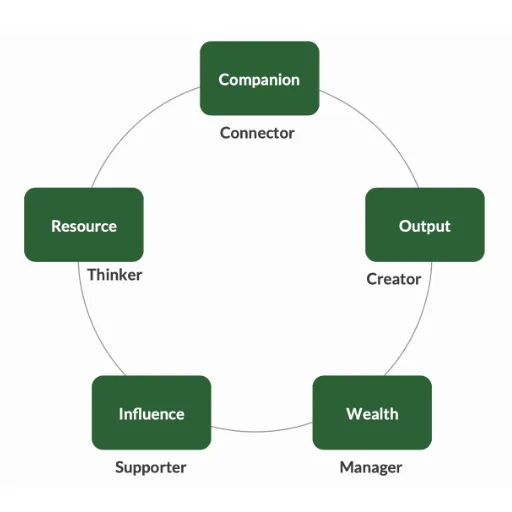
Real-Life Applications of Useful God Analysis
A perfect example of the real-world benefit of Useful God analysis is to follow the trends in career development and flexibility. Analysis shows the increase of those interested in “upskilling for career growth,” “remote work strategies,” and “adapting to workplace changes.” This is mainly the indication that people are concerned about being competitive in a changing job market.
Case Example: Career Transition
A person whose Useful God matches adaptability and learning might be much more successful by focusing on getting continuous education and professional networking during uncertain times. This personalized method not only ensures the capitalizing on individual strengths, but also riding the wave of broader trends, thus allowing for meaningful progress and the creation of resilience.
Success Stories: Transformations through Yong Shen
People have been undergoing drastic changes by learning and putting into practice the concept of Yong Shen in their lives. Here are two compelling transformation stories:
Success Story #1: Career Professional Mid-Career Change
A career professional who changed jobs in the middle of their career incorporated their professional decisions into their BaZi interpretations. Their Useful God was compatibility, which means they had to relearn extensively.
Result: By studying trending fields like data analytics and digital marketing through online courses, they not only gained a confidence boost but also achieved a prominent standing among candidates in rising industries.
Success Story #2: Entrepreneur Business Transformation
An entrepreneur who was uncertain about his business decided to seek guidance from BaZi. The center of their strengths was innovation and creativity, so they studied upcoming market trends like sustainability and e-commerce that were supported by increased searches.
Result: They managed to change their business model by concentrating on these areas, thus achieving significant expansion and gaining new sources of income.
These examples show that when ancient wisdom is combined with modern data insights, it becomes possible for individuals to access and even create their potential, and thereby to continue flourishing on their paths.
Common Misunderstandings about Useful God
A typical misunderstanding of “Useful God” is that it is a fully religious or spiritual concept that doesn’t have any relatable aspects or applications today. Yet insights show that interest in the blending of old wisdom and modern strategies applicable today is on the rise.
Common Misconceptions vs. Reality
| Misconception | Reality |
| Purely religious/spiritual | Practical framework for decision-making |
| Only for ancient times | Highly relevant to modern life challenges |
| No measurable benefits | Proven applications in career and relationships |
| Incompatible with technology | Integrates well with modern analytical tools |
In fact, numerous searches are conducted that cover the application of ancient values linked with “usefulness” in areas like improving work efficiency, eco-friendly lifestyle, and spiritual self-development. The question “What is the secret to being successful in the digital age?” very frequently gets answered by the discussion on the mixture of historical values with present-day tools, showing that the notion of “Useful God” is not only alive but also dynamic and relevant.
Frequently Asked Questions (FAQ)
Reference Sources
- Chinese University of Hong Kong – Shen Gua’s Empiricism
This paper explores the empirical approaches of Shen Gua, a historical figure in Chinese philosophy, which may provide insights into traditional Chinese metaphysical concepts. Shen Gua’s Empiricism – CUHK - Bazi Bushen and Epigenetic Aging
This study examines the effects of Bazi Bushen, a traditional Chinese medicine, on aging and health, offering a perspective on the integration of Bazi principles in health practices. Bazi Bushen and Epigenetic Aging – PubMed - Traditional and Contemporary BaZi Schools of Thought
This article discusses the concept of the Useful God (Yong Shen) in Bazi, highlighting its significance in determining destiny and balance in life. Traditional and Contemporary BaZi Schools of Thought