

People used timekeeping throughout their entire history, which created the framework that different societies use to measure time in days and months and years. The practice centers around a major decision which needs to be made between two separate but related time measurement systems known as solar time and lunar time. Both methods start from the same celestial movements of the sun and moon, but their basic principles lead to different outcomes for building calendars and conducting religious practices and performing agricultural activities. The article investigates how solar time and lunar time function in modern timekeeping through their distinct advantages and disadvantages and their various effects on current timekeeping methods. The systems that have existed throughout history will explain time measurement to you, and you will learn which system functions best for various tasks in our world which has become more connected.
Introduction to Calendars
Definition of Solar Calendar
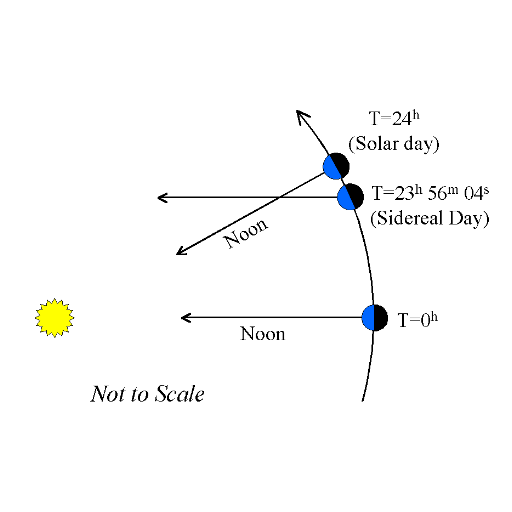
A solar calendar is a timekeeping system that uses the Earth’s Sun-centered orbital path to determine a year length of about 365.24 days. The calendar system maintains seasonal accuracy because it matches specific dates with yearly weather patterns that remain unchanged. Solar calendars which include Gregorian calendar use leap years to correct the extra fractional day by adding one more day every fourth year to match the Earth’s time of rotation and revolution.
Definition of Lunar Calendar
A lunar calendar is a calendar system that uses Moon phase cycles to measure time which defines a month as the period needed for the Moon to complete one Earth orbit taking about 29.5 days. Lunar calendars do not match seasonal changes because they use a lunar year of 354 days which is shorter than the solar year used by solar calendars. The Islamic Hijri calendar uses complete lunar cycles while the Chinese calendar functions as a lunisolar calendar because it combines both lunar and solar elements to match seasonal transitions.
Overview of Lunisolar Calendar
Lunisolar calendars use lunar months combined with solar year adjustments which help maintain seasonal alignment throughout the year. They accomplish this task through the periodic addition of intercalary months which keep the calendar in sync with Earth’s solar orbit while maintaining lunar month-based calendar structure. The Hebrew calendar and the Chinese calendar function as common systems that use specific regulations to control leap month insertion which helps maintain seasonal alignment. These calendars serve multiple functions in various fields such as cultural activities and religious practices and agricultural activities which demonstrate their ability to accurately measure time.
Understanding Solar Time
How Solar Time Works
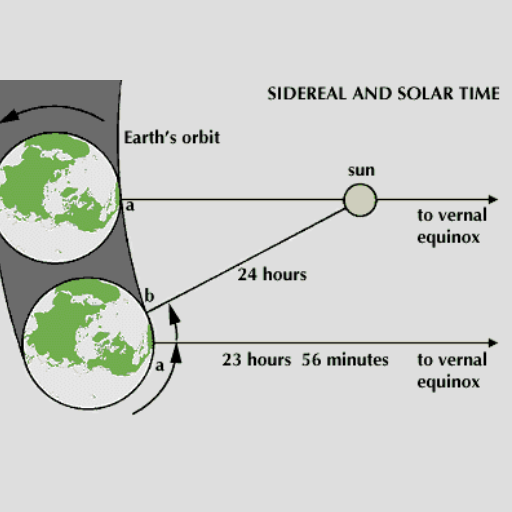
The sun creates light which moves across the sky during daytime hours according to solar time measurement. A solar day begins when the sun crosses a particular meridian point and ends when the sun reaches that same point again. Earth rotates on its axis while it travels in an elliptical path around the sun which leads to minor changes in solar day duration. Apparent solar time exists as the first type of solar time which people can measure through sundials while mean solar time serves as the second type that establishes constant time measurement through its system of averaging different time variations.
Benefits of Using the Solar Calendar
The solar calendar delivers exact and dependable time measurement methods because it directly follows Earth’s path through space as it travels around the Sun. The system achieves perfect seasonal consistency through its method of tracking equinoxes and solstices which ensures that these events take place at fixed calendar dates throughout the yearly cycle. The system uses a 365.24-day solar year structure because it allows leap years to create permanent connections between time measurement and natural cycles while delivering a reliable time measurement system that countries and scientists and other fields can use.
Applications of Solar Time
Solar time functions as an essential component across scientific disciplines and navigational systems and everyday human activities. The system helps astronomers check their observations because it enables them to measure celestial events like eclipses and planetary transits with great accuracy. Solar time functions as the basis which maritime and aviation navigational systems use to determine location and create efficient travel paths. Solar time measurement enables sundial design because it connects traditional timekeeping methods with natural solar patterns. The system operates beyond its scientific functions because it controls daily routines and solar energy management needs which require alignment with daylight hours to achieve optimal performance.
Understanding Lunar Time
How Lunar Time Works
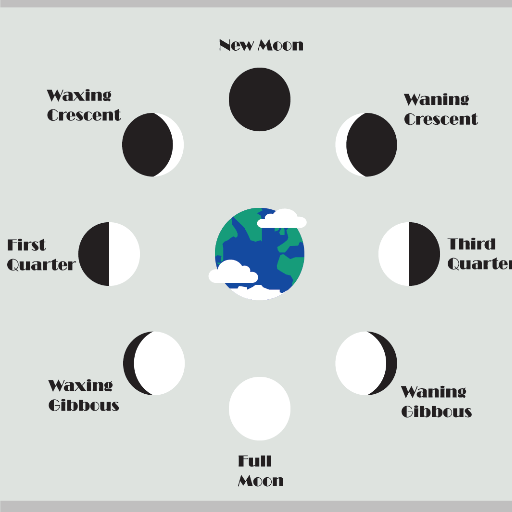
The Moon’s orbital pattern around the Earth establishes Lunar time because it tracks Moon movements between the Earth and the Sun. The synodic month defines a lunar cycle that lasts about 29.53 days as it shows all Moon phases between new Moon and full Moon and back to new Moon. The timing system has historical importance because it served as a foundation for calendar systems and cultural practices while modern scientists use it to schedule lunar missions and study tidal patterns caused by the Moon’s gravitational pull.
Benefits of Using the Lunar Calendar
The lunar calendar offers several practical and cultural benefits, particularly for communities and practices that rely on natural cycles. The system provides excellent results for monitoring agricultural and fishing practices because both activities depend on lunar cycles and tidal movements. The lunar calendar establishes the timing for traditional and religious practices that include Islam’s Ramadan and the Chinese New Year because it provides a system for matching significant dates with natural events. The system provides predictable planning because its 29.5-day cycle establishes reliable patterns in situations when the solar calendar lacks accuracy.
Applications of Lunar Time
Lunar time has gained importance in contemporary research activities that include space exploration and scientific research. Understanding Moon time cycles becomes vital for mission operations because upcoming lunar missions will establish human settlements on the Moon. The lunar time system serves as a timekeeping system which enables both astronomical research and scientific experiments that require precise time measurement. The system has expanded its usefulness to new fields whichmakes it essential for developing technological advancements and exploratory research projects.
Comparing Lunar vs. Solar Time
Key Differences Between Solar and Lunar Calendars
The lunar calendar system bases its month lengths on moon phases because its months last 29 and 30 days to match the 29.5-day lunar cycle. The lunar calendar system spans one entire year because it contains approximately 354 days which creates an 11-day difference from the solar calendar system. The solar calendar system depends on Earth which takes 365.25 days to complete its orbit around the sun. The lunar calendar system needs to make calendar adjustments because its system requires additional months during certain times to keep in sync with seasonal variations. The Gregorian calendar system uses leap years as a method to keep its solar calendar in alignment with the yearly Earth cycle. Solar calendars provide accurate seasonal tracking while lunar calendars are dedicated to cultural and religious events.
Which Calendar Works Better for Different Purposes?
Both lunar and solar calendars function effectively to fulfill particular needs according to specific circumstances. The Gregorian calendar system enables scientists and farmers and global civil organizations to track seasonal changes which they use for planning their activities. The system provides the most accurate Earth annual cycle matching system which modern applications require. The Islamic and Chinese lunar calendars better serve cultural and religious practices because they follow moon phases. Each system excels in its intended function, with solar calendars offering precision and predictability, while lunar calendars provide significance and alignment with cultural traditions.
Implications of Choosing Solar or Lunar Time
The choice between solar and lunar time systems carries significant implications depending on their application. The solar calendar system provides agricultural planning and economic systems and international coordination through its sun-based alignment which creates stable time measurements needed for international operations. The lunar calendar system uses moon phases to create calendars, which are important for multiple cultural traditions because they determine their religious and ceremonial activities. The decision to adopt one system over another occurs when organizations choose between lunar calendars which represent their cultural values and solar calendars which provide scientific accuracy and standardization.
Conclusion: Which Calendar to Use?
Factors to Consider
The selection of a calendar system depends on the essential factors which determine its intended use and the specific situations where it will be applied. The solar calendar system which includes the Gregorian calendar system serves as the scientific and international standard because it matches the Earth’s orbital pattern and multiple countries use it as their official calendar. However, lunar calendars become better options for cultural and religious and traditional practices because they establish specific timekeeping methods which are essential for their rituals. The hybrid lunisolar calendar system provides a solution which enables the use of lunar cycles together with their solar year pattern to create seasonal timekeeping.
Personal Preferences and Cultural Influences
The decision between precision with standardization and cultural preservation through tradition becomes crucial for the present situation. Personal Preferences and Cultural Influences People base their calendar selection on lunar solar or lunisolar systems according to their personal preferences which cultural factors determine. Many communities continue to adhere to lunar or lunisolar systems due to their alignment with cultural festivals, religious practices, or agricultural cycles. The solar Gregorian calendar serves as the better option for people who need to arrange their activities according to global time standards. The decision process revolves around selecting between two options which express cultural values and provide practical benefits for people and their communities.
Final Thoughts on Calendar Selection
The selection of either lunar or solar calendars depends on their actual requirements combined with the cultural significance of their respective components. Lunar calendars, such as the Islamic and Chinese systems, are ideal for tracking religious events and traditional celebrations tied to moon phases. The solar Gregorian calendar serves as the international standard because it precisely matches the Earth’s orbital path while being widely used across contemporary global systems. The selection of a calendar should consider the specific priorities of functionality, tradition, and alignment with societal or global frameworks.
References
-
Ziggurats of Mesopotamia: An Astro-Archaeological Analysis
This paper discusses lunar and solar calendar cycles and their historical significance.
Read the paper here -
Lunar Influences on Living Things
This study explores the effects of lunar cycles on living organisms, providing insights into lunar time’s impact.
Read the study here -
Decrement of Secondary Gamma Radiation Flux During Lunar Eclipse
This experimental study examines lunar phenomena and their measurable effects, offering a scientific perspective.
Read the study here
Frequently Asked Questions (FAQ)
What is the basic difference between solar time and lunar time?
Solar time serves as a calendar system that establishes time through solar cycles and solar daylight while determining a year length through the Earth’s solar orbit which completes in approximately 365 days and maintains seasonal synchronization with spring’s initial day that occurs during the spring equinox. Lunar time establishes time through lunar cycles which divide the month into 29 or 30 day periods that begin with either a new moon or a visible crescent. The contrast is that lunar calendars track the night sky and the passage of time by moon phases, while solar calendars track the day of the year and the movement of the sun.
Which one should I use: solar calendar or a lunar calendar?
Which one to use depends on your goal. The solar calendar serves as the appropriate choice for your needs when you require synchronization with seasonal cycles because it maintains solar patterns throughout the year while preserving seasonal boundaries between months and festivals. The lunar based system or the purely lunar calendar serves your needs when you practice religious observance through Islamic holidays or Chinese lunar calendar traditions. The lunar months of various cultures remain preserved through hybrid systems which help them maintain their connection to the solar year.
What methods do purely lunar calendars use to manage their shorter years and what methods does the Islamic calendar follow?
Pure lunar calendar systems, such as the islamic calendar, consist of twelve lunar months of 29 or 30 days so the year is always shorter than a solar year by about 10–12 days. The festivals and months start to move through different seasons because the system lacks a complete solar year which causes one month to start earlier each year by approximately that number of days. The islamic calendar is the islamic example of a pure lunar calendar and does not add extra months, so full moon falls and holidays move through different seasons over decades.
What does a lunisolar system mean and what methods do the Jewish and Chinese lunar calendars use to maintain their solar year synchronization?
Lunisolar calendars combine lunar months with periodic intercalation to stay aligned with the solar year. The calendars insert an extra month following a fixed cycle to maintain seasonal month alignment which occurs every two or three years. The jewish holidays and the chinese lunar calendar use such adjustments so that important dates like Passover or the first day of spring remain in the intended season.
Why do some people say the lunar calendar is flawed and what is calendar reform?
Some people consider the lunar calendar to be imperfect because they believe it contains flaws. Calendar reform refers to efforts to alter calendars—such as adjusting month lengths, adopting intercalation rules, or changing epoch definitions—to reconcile concepts of time like day per count, year length, and alignment with the sun. The switch from the julian calendar to the gregorian reform served as a historical reform which corrected seasonal calendar drift which caused the day of the year to misalign with seasonal changes.
How do practical details like months of 29 or 30 days and the julian calendar affect daily life and planning?
Lunar based systems use 29 or 30 day months because their new month begins when a moon becomes visible or through astronomical calculations which create a one day time difference between lunar based months and solar months. The julian calendar and later gregorian adjustments addressed accumulated error in a 365 days framework by altering leap year rules; without such rules, calendars drift relative to the spring equinox and the northern hemisphere seasons. The solar cycle calendar system which schools and agricultural sectors and governmental bodies use for planning purposes offers more reliable yearly scheduling than lunar calendar systems.