


Understanding Earthly Branch Penalties
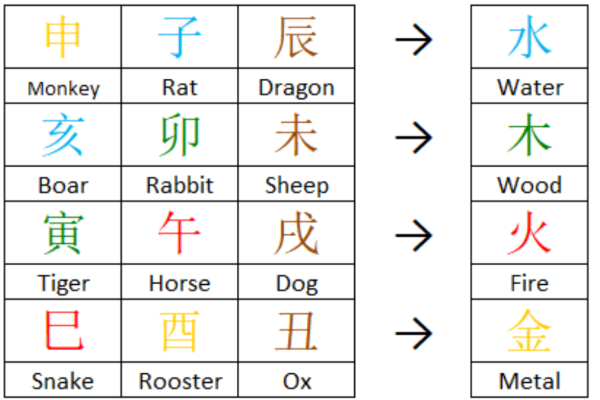
Earthly Branch penalties exist as particular energy interactions that exist within the Chinese metaphysical system. The penalties show energy conflicts that result from specific Branches found in an individual’s BaZi chart. The penalties show targeted development paths for self-improvement, which help people develop better relationships to achieve personal and professional harmony.
| Penalty Type | Example Branches | Primary Outcome |
|---|---|---|
| Self-Penalty | Wu & Wu / You & You | Self-imposed challenges including stress, overthinking, and repetitive mistakes. |
| Clash-Penalty | Yin & Si / Shen & Hai | External conflicts through relationship and work environment interactions, resulting in discord and unexpected setbacks. |
| Harm-Penalty | Chen & You / Wei & Zi | Hidden disruptions that reduce trust and cooperation between people. |
Definition and Origins of Earthly Branches in Chinese Metaphysics
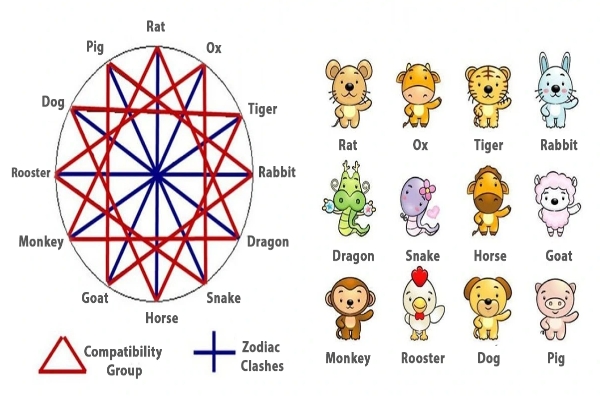
The Earthly Branches, known as “Dìzhī” (地支) in Chinese, form a fundamental component of Chinese metaphysics and traditional calendrical systems. The Earthly Branches consist of a twelve-element cycle that includes Zi (Rat), Chou (Ox), Yin (Tiger), Mao (Rabbit), Chen (Dragon), Si (Snake), Wu (Horse), Wei (Goat), Shen (Monkey), You (Rooster), Xu (Dog), and Hai (Pig) which the Ten Heavenly Stems combine to create the 60-year sexagenary cycle that ancient Chinese people used for time measurement. Their origins trace back thousands of years to the Shang dynasty, where they were initially employed for divination and recording celestial patterns.
子Zi · Rat
丑Chou · Ox
寅Yin · Tiger
卯Mao · Rabbit
辰Chen · Dragon
巳Si · Snake
午Wu · Horse
未Wei · Goat
申Shen · Monkey
酉You · Rooster
戌Xu · Dog
亥Hai · Pig
The Earthly Branches associate specific animal archetypes with particular seasons and cardinal directions, and the five elements of Wood, Fire, Earth, Metal, and Water, which demonstrate how yin and yang and the Five Elements (Wuxing) interconnect. Their significance expanded into multiple domains, which included astrology, Feng Shui, and traditional Chinese medicine, because these domains provided fundamental systems for understanding personality traits, fortune cycles, and social relationships. The system demonstrates how Chinese philosophical systems perceive the relationship between cosmic order and human life.
The Concept of Self-Penalty and Its Implications
The Chinese metaphysics system uses self-penalty through its BaZi system to demonstrate how two elements from the earthly branch system interact to produce internal conflict through their opposing movements. The system establishes this principle through a chart that displays all elements of the same branch through two or more matching branches that include Chen (Dragon) and You (Rooster) as examples. The self-penalty process creates internal conflict because it causes people to destroy their own progress through indecision and through the development of thought and behavior patterns that lead to negative results.
Chen-Chen Self-Penalty
Causes people to face miscommunication problems and unnecessary anxiety.
You-You Self-Penalty
Leads to self-doubt and relationship problems.
Self-penalty demonstrates two main impacts because it reveals emotional and psychological issues, which include stress, inner battle, and excessive thinking. The penalties present chances for individual development, which people must develop through their awareness-based treatment methods. BaZi chart self-penalty patterns can become less powerful through their identification and bringing about harmony through using complementary elements that restore balance, which people will use to change their environment, thought processes, and decision-making methods. The intricate relationship demonstrates how internal processes need to be recognized together with their complete metaphysical system.
The Role of Ingratitude in Earthly Branch Penalties
The study of ingratitude through BaZi Earthly Branch penalties establishes its fundamental significance for both personal growth and karmic consequences. The metaphysical definition of ingratitude describes a state that occurs when someone fails to recognize assistance or disregards relationships that hold essential worth in their BaZi chart. The emotional state leads to self-penalty patterns, which create internal conflicts that produce negative results.
BaZi principles show that people who do not show gratitude create energy blockages between Earthly Branches, which lead to stronger existing conflicts. The penalty, which includes the branches Shen Yin and Si, exists because ingratitude toward essential people or relationships will worsen its effects through missed opportunities and damaged relationships. Practitioners use humility and mindfulness development practices to counteract these effects because they help practitioners connect with better energy states.
The process of resolving ingratitude through Earthly Branch penalties demands people engage in active self-analysis while working to mend their broken relationships. Positive relationship awareness combined with genuine appreciation helps people eliminate negative patterns, which results in their chakra energy systems moving towards positive development. People who practice BaZi achieve equilibrium when they actively engage with their elemental and environmental factors.
The Mechanics of Self-Penalty in Earthly Branches
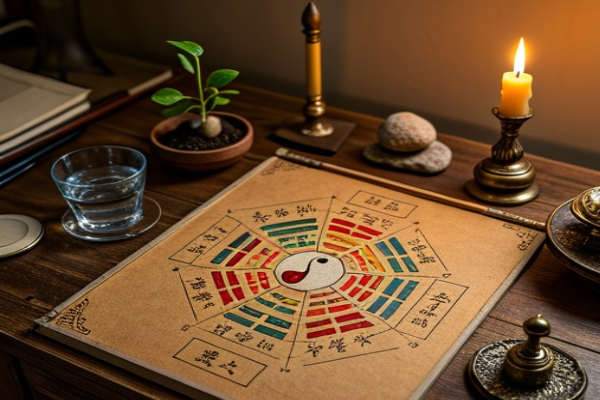
The BaZi chart establishes self-penalty through branch connections because these connections create internal conflicts that affect the entire chart. The branches of Chen (Dragon), You (Rooster), Wu (Dog), and Zi (Rat) demonstrate self-penalty through their unique ability to create self-penalty when they occur multiple times. The interaction denotes internal struggle together with self-inflicted difficulties, which typically show how a person battles against their own thoughts, choices, and feelings. People need to trace the starting point of self-penalty through their chart to understand its effects on their daily activities. One can use proper elemental solutions together with self-awareness development and outside assistance to decrease their effects while restoring balance to the chart.
What Is Self-Penalty in Earthly Branch Interpretation?
The Earthly Branch self-penalty interpretation in the BaZi system describes a particular method that shows how one chart element shows internal conflict through its two branches, which need to work together. The phenomenon occurs when people experience emotional distress and start to overthink things and then engage in self-destructive actions because their elemental energies become unbalanced. The most common situations of self-penalty occur with certain combinations of branches, such as the Goat clashing with another Goat or the Snake clashing with another Snake. The mentioned instances show how people face ongoing difficulties that lead to mounting pressure and confused thinking, which affects their ability to make decisions and understand their personal and professional circumstances.
The process of self-penalty assessment requires BaZi chart analysis to determine its exact location for understanding how the problem developed and what results will happen. The standard treatment approach requires people to restore their elemental balance through lifestyle changes while they obtain help from experienced professionals and practice mindfulness techniques to control their emotional unrest that comes from inner battles. Self-penalty helps people to identify their challenges, which they must change into chances for personal development and life balance.
Classical Examples of Self-Penalty in BaZi Charts
Chen-Chen (Dragon-Dragon)
Results in both unstable conditions and excessive distress.
Wu-Wu (Horse-Horse)
Leads to unpredictable conduct and volatile emotional states, which create difficulties in maintaining social ties.
You-You (Rooster-Rooster)
Manifests through patterns of excessive thinking, deep personal uncertainty, and a person assessing themselves and others with increased harshness.
The self-penalties function as crucial elements because they demonstrate how people handle their internal conflicts, which show through their behavior and choices. When people identify these elements in their BaZi chart, they can take specific steps to minimize negative effects by creating their space and life patterns according to elemental harmony methods or by receiving expert help to restore their lost energies.
Balancing and Mitigating Self-Penalty Influences
The process of balancing self-penalty impacts requires a systematic method that combines two elements, which are self-awareness and BaZi principle execution. The specific self-penalty configuration of a person’s chart provides information about their emotional and behavioral difficulties. A BaZi expert assists in determining how opposing forces appear and which components have become unbalanced.
1
Lifestyle Changes through Elemental Balance
Energized systems obtain their necessary balance through lifestyle changes. People can eliminate self-penalty effects because they need to develop activities and environments, and routines that create strong elements while decreasing weak elements. People who need water as their supportive element should participate in activities that involve swimming and being near bodies of water.
2
Emotional Resilience and Positive Communication
The development of emotional resilience requires people to construct positive communication methods. The internalized self-criticism leads to self-penalty, which causes relationship problems and makes decision-making difficult. People can learn to handle their tendencies better through techniques that include mindfulness, meditation, and therapy. People who want to handle self-penalty effects should build a network of relationships that will help them overcome feelings of isolation.
3
Timing and Luck Cycle Awareness
Timing stands as the essential factor that helps reduce these effects. People can use their luck cycle to identify specific times that will increase or decrease their self-penalty effects and then make better life decisions. The comprehensive mitigation strategy combines proactive methods with elemental changes and emotional growth.
The Significance of “Ingratitude” in Earthly Branch Penalties
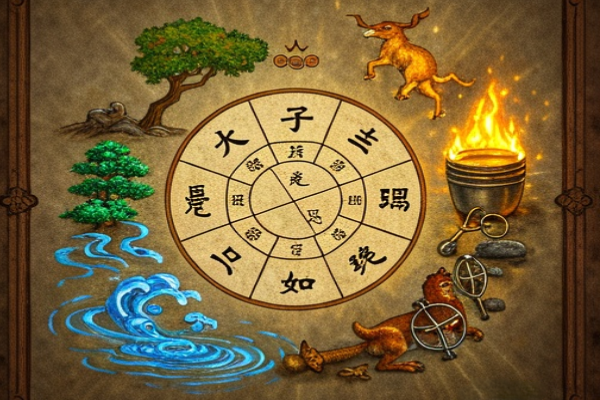
The term “Ingratitude” in Earthly Branch Penalties describes a state where people fail to appreciate or acknowledge the support they receive, the relationships they maintain, and the resources they possess. The situation creates difficulties in both personal and work relationships while preventing people from working together and developing their skills. The situation creates a power imbalance because people fail to recognize both emotional and practical contributions. The situation needs self-awareness, together with intentional work to identify and appreciate others’ contributions, which will create more positive relationships.
Defining the “Ingratitude” Penalty in the Twelve Branches
The “ingratitude” penalty within the Twelve Branches framework is a concept that emphasizes a lack of appreciation or acknowledgment for external contributions, resources, or support received. The penalty affects personal and professional relationships because it decreases collaboration possibilities and hinders network and organizational development. The penalty establishes its core value through its ability to create social disruptions because people who fail to recognize others’ work will cause people to leave their work and stop cooperating with others.
Research across multiple authoritative sources demonstrates that workplace turnover increases, together with a decrease in trust and a decline in team morale when employees demonstrate persistent patterns of ingratitude. Solutions to mitigate this penalty involve structured interventions that aim to develop an environment that promotes recognition and mutual respect between people. The implementation of feedback systems together with the celebration of shared successes and the development of open communication channels will enable organizations to recognize and appreciate contributions from all team members.
How the Penalty of Ingratitude Affects Relationships
The penalty of ingratitude can severely disrupt personal and professional relationships by eroding trust and mutual respect. When people believe that their work has been disregarded, they develop feelings of resentment, which result in emotional disconnection and communication problems. The absence of acknowledgment develops into an imbalance situation where one individual perceives themselves as undervalued, which results in decreased teamwork and relationship difficulties. Studies show that when people do not show gratitude toward their relationships, these connections turn into business arrangements, which result in relationship discontent and increased disputes. The process of recognizing and showing appreciation for contributions functions as an essential method to combat these impacts while maintaining social connections and enabling sustainable progress.
Remedies and Practical Methods to Overcome the “Ingratitude” Effect
How Self-Penalty and Ingratitude Interplay in BaZi Readings
Self-penalty in BaZi refers to a specific interaction within the pillars of one’s natal chart, which occurs when an individual uses their elemental powers to create negative behavioral patterns. This psychological process causes people to experience internal battles, excessive thought patterns, and behaviors that harm themselves. The interconnection between these two concepts shows how ingratitude causes people to overlook the help because their internal battles prevent them from recognizing external assistance. People who experience self-penalty develop two problems that prevent them from acknowledging their own achievements. The tendencies of individuals create a situation where they miss the positive things happening in their lives, which makes them feel more alone and resentful. BaZi reading analysis helps people achieve two goals because it shows them how to cultivate gratitude while working to overcome their own self-imposed boundaries.
Analyzing the Interaction of Self-Penalty and Ingratitude
The self-penalty and ingratitude relationship in BaZi creates ongoing internal conflict, which causes people to analyze their previous choices and behaviors. The BaZi chart system uses self-penalty as a self-reflective principal which causes individuals to experience negative self-talk that stops their personal development and emotional growth. People who experience this energy together with ingratitude will tend to focus more on the things they lack than on the things they possess and the chances they have.
Research evidence shows that people who engage in constant self-punishment develop cognitive distortions that lead them to perceive their surroundings through an excessively pessimistic lens. The cycle of ingratitude, which originates from an unbalanced viewpoint, pushes people to disregard positive aspects that could help them create better mental health. BaZi charts show these patterns, which require people to actively change their mindset toward practicing gratitude and showing themselves kindness.
Practitioners use these interconnected dynamics to help clients identify their chart-based tendencies while providing them with personalized methods to restore emotional balance and make choices. The process includes three steps:
- Strengthen positive reflection times
- Readjust expectations
- Use BaZi elements that help in stopping patterns of negative behavior
The Psychological and Emotional Dimensions of These Penalties
The penalties create psychological and emotional effects that result in people developing internal stress, increased emotional sensitivity, and continuous self-doubt or frustration patterns. The penalties create a situation where individuals face multiple disputes with their surroundings and social ties because they fail to resolve the internal conflicts caused by their fundamental personality traits. The unresolved issues will develop into an ongoing state of anxiety, which will make people feel stuck and lose their trust in themselves because they cannot make choices that lead to their personal development.
🧠 Self-Awareness Techniques
The main techniques enable people to develop self-awareness through mindfulness and journaling, which help them discover their most intense sources of stress.
🤝 Emotional Intelligence
The development of emotional intelligence, together with adaptability skills, enables individuals to enhance their interpersonal connections while decreasing their impulsive behavior.
⚖️ BaZi Chart-Based Strategies
The BaZi system offers customized strategies that enable users to shift negative energies through their system by selecting elements that balance their emotions and their protective structures.
The combination of therapeutic methods with personal chart-based recommendations enables individuals to establish a balanced mental state. The process involves people transforming their views about difficulties into opportunities, which will help them develop stronger emotional systems, together with psychological contentment.
Personalized Strategies for Harmonizing Earthly Energies
The process of harmonizing earthly energies requires customized methods that establish connections between physical health, mental health, and emotional health with the existing environmental conditions. The main methods of the system begin with energy grounding techniques, which include people practicing mindfulness and, in particular, walking barefoot on natural surfaces to establish their energy balance. Physical space decluttering enables people to remove dormant energy, which creates obstacles for mental functioning to proceed without interruptions. The energetic environment becomes balanced through natural elements, which include crystals, plants, and essential oils in the space.
Self-care routines require consistent execution on both personal and social levels. The approach consists of two main components, which involve people choosing whole foods as their main food source, maintaining their body hydration levels, and participating in regular exercise to achieve better body energy distribution. People who practice stress-reduction techniques through meditation and yoga and controlled breathing methods become better equipped to handle both environmental stressors and their own internal stress. Self-reflection development through journaling and creative expression enables people to discover their inner selves and attain a better balance between their personal objectives and the energy systems present in their surroundings. The different strategies work together to establish a stable balance that matches the specific energetic requirements of a person and the various environmental factors they encounter.
General Remedies for Earthly Branch Penalties
The earthly branch of the justice system uses its remedies for penalties to establish a system that achieves equal distribution of justice while supporting rehabilitation needs and creating deterrent effects. The primary methods used in this approach include community-based programs that implement restorative justice initiatives to restore harm done to victims while developing responsibility in offenders. The legal system uses financial penalties through fines and restitution to achieve both punishment and compensation needs because they require offenders to pay for their wrongdoing. The combination of educational reforms and vocational training programs provides people with essential skills to secure their future success in the process of social reintegration.
The combination of probation systems with supervised release programs provides a method to reduce incarceration rates because it enables offenders to live in their home communities while they work on their rehabilitation. The combination of these measures creates a complete system that handles penalties through methods that maintain just treatment of offenders while supporting their return to society and producing benefits for the community in the long run.
Understanding the Role of Elemental Balancing
Elemental balancing maintains system stability because it safeguards operational capacity in all systems. From my perspective, it encompasses the precise adjustment of various components to achieve optimal performance and prevent imbalances that could lead to inefficiencies or failures. I can maintain equilibrium while improving effectiveness by studying how each element contributes to the complete system.
Feng Shui Adjustments to Address Self-Penalty and Ingratitude
Feng Shui principles require people to create balanced yet harmonious spaces because these elements affect their emotional and mental states. The process of self-penalty needs treatment through the development of self-compassion skills and the reduction of self-critical habits, which people learn through their surroundings.
Summary & Reflection
Toward Balance, Awareness, and Harmony
The Earthly Branch penalties of self-penalty and ingratitude are not fixed fates but invitations for self-discovery. By understanding how these energies operate in your BaZi chart, and by applying the elemental, psychological, and environmental strategies outlined in this guide, you can transform internal conflict into personal wisdom — and resentment into genuine, lasting gratitude.
Reference Sources
Frequently Asked Questions (FAQs)
What are Earthly Branch penalties, and how do they manifest in a space?
Earthly Branch penalties refer to imbalances or disharmonies in the energy of a space, which occur when two basic Feng Shui elements come into conflict with each other. The conflicts establish three emotional disturbances, which include broken relationships and a failure to develop gratitude and mindfulness. The penalties require two steps for resolution, which begin with establishing a balanced environment and end with creating a harmonious space.
How does a self-penalty occur in Feng Shui practices?
A self-penalty occurs when the energy of an element or branch counteracts itself, leading to self-inflicted challenges such as negative thought cycles, self-criticism, or internal conflicts. The situation prevents people from realizing their own development and the assistance they receive from others, which causes them to maintain feelings of ungratefulness and social disconnection.
What practical steps can be taken to mitigate ingratitude caused by Earthly Branch penalties?
The eastern gua of a space needs activation through growth-based elements, which include wooden decor, plants, and vitality symbols to function effectively against ingratitude. The use of mirrors as reflective surfaces, together with natural light, makes the space more positive while people become more aware of their support systems and their blessings. The practice of gratitude and mindfulness leads to decreased effects of penalties, including their complete impact.
Can these penalties affect relationships within a family or community?
The Earthly Branch penalties force people to create obstacles that block their ability to understand each other and feel empathy. The energy imbalance leads to two main problems, which create miscommunication and prevent people from recognizing their shared support. The process of adjusting shared areas, together with establishing a welcoming environment, will enable us to restore these broken relationships.