


Do you experience fatigue, lack of enthusiasm, or perhaps some unexplained changes in your well-being? The reason for this may be the lack of essential nutrients in your body. Even minute amounts of deficiency in necessary vitamins, minerals, or other nutrients can lead to major changes in your health and energy levels. However, the bright side is that an appropriate diet can not only bring back the lost balance but also keep you feeling great. In this article, you will find how to spot the most common nutrient deficits and which foods are the best to add in your meals for restoring the essential nutrients in your body. No matter if your goal is to increase energy, community building, or just to have better health, we will provide you with useful insights and tips!
Introduction to Traditional Chinese Medicine (TCM)
Overview of TCM Principles
TCM, or Traditional Chinese Medicine, is one of the holistic practices for health and wellness that has been in use for millennia. Its underlying principle is the bodily balance and the harmony between mankind and nature. TCM’s perspective on health is that of a constantly changing and moving interaction of energies, which are commonly known as Yin and Yang; these two energies are similar in being opposite but at the same time are interrelated. The human body is at its best functioning when these energies are in perfect balance but on the other hand, when they are not in balance, the person may experience illness or discomfort.
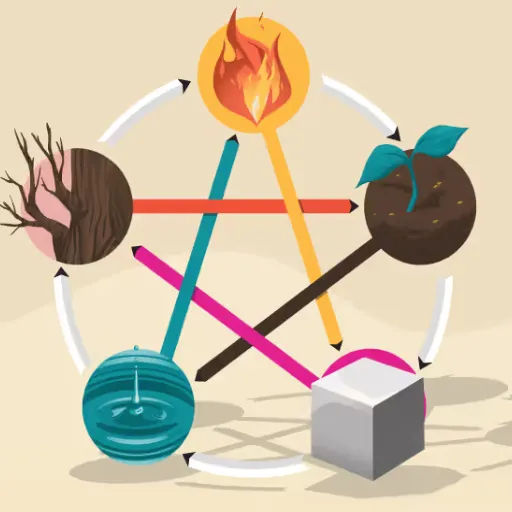
The Five Elements—Wood, Fire, Earth, Metal, and Water—are one of the main concepts of TCM. These elements are the symbols of nature’s different attributes and the interconnectedness of their interactions, which in turn reflects the processes happening inside the human body. Every element is connected with particular organs, emotions and functions, thus creating a structure that helps to understand the interaction among the different systems of the body. To illustrate, the earth element connects with the stomach and spleen, thus symbolizing the processes of nourishment and digestion.
💡 Key Insight: There are a variety of techniques that TCM employs to restore the body’s balance and improve health, like acupuncture, herbal medicine, dietary therapy, massage (Tui Na), and exercise like Tai Chi or Qigong. On the contrary, Western medicine frequently treats only the symptoms, whereas TCM considers it more important to take the root cause of imbalance into account and, thus, foster long-term health. This intricate approach invites people to adapt their daily routines to match the natural cycles and see that emotional, physical, and environmental factors are all intertwined in the matter of health.
The Role of the Five Elements
In the context of Traditional Chinese Medicine (TCM), the Five Elements—Wood, Fire, Earth, Metal, and Water—are the basic principles that guide comprehending the body’s relationships and interactions with the natural world. These elements are dynamic forces that affect not only the physiological processes but also the emotions and the surroundings. Every element has a certain correspondence with organs, emotions, seasons, and other life aspects which altogether provide a holistic framework for the diagnosis and treatment of imbalances.
The understanding of the co-working of the Five Elements helps the TCM practitioners to detect imbalances and to work on the restoration of the harmony among the body and the environment. Such an interrelated system points out the necessity of a balance in all life areas to achieve and retain the best health.
Importance of Balance in Diet
The diet’s balance is a significant supporting factor for body health and mind well-being. A balanced diet gives the body all the essential nutrients it needs to operate, including carbohydrates, proteins, fats, vitamins, and minerals. It regulates energy levels, helps in organ function, and builds up the body’s defense against diseases. Regularly eating and drinking a diversity of whole foods, such as fruits, vegetables, whole grains, and lean proteins, the body stays energized and nourished.
⚠️ Risks of Unbalanced Diets
Contrarily, unbalanced diets bring countless health problems with them. Too much intake of processed foods and sugars can be one of the reasons for obesity, inflammation, and even some chronic diseases like diabetes and heart disease. Along the same lines, being deficient in vital nutrients for the body can cause weakening of the organs, tiredness, and reduced immunity which negatively affect overall health. One of the main strategies to avoid these difficulties is to create a proper balance in daily meals by consisting of a variety of food groups in the right portions.
Moreover, the achievement of dietary balance is tightly linked to the individual’s lifestyle habits and requirements. The factors that are the most important in determining one’s dietary priorities are age, activity level, and health conditions, respectively. Besides, mindful eating practices such as being aware of hunger signals and meal timing, help maintain the balance. The focus on moderation and variety allows individuals to establish sustainable, health-centered eating habits that contribute to both physical and mental health.
The Earth Element and Its Significance

Characteristics of the Earth Element
The Earth element is often understood as the most stable, nourishing, and grounding of the four elements. Metaphorically and literally, it represents a solid foundation that is very much grounded in the notions of support and security. The Earth element is often linked with nature, fertility, and growth, and it is vital to the maintenance of balance and harmony in different systems, whether they be ecosystems or personal beliefs.
On the symbolism side, the Earth element shows the qualities of patience, trustworthiness, and constancy. It indicates to us the necessity of caring for and nurturing the resources, of having good relationships, and of being strong in the midst of battles. All these properties match the cyclical nature of life, for Earth is the very place that renewal and sustenance come from.
Earth elements through various cultures and ages have associations with farming, customs, and religious thoughts. Sometimes, it is thought to be a mother of crops and wealth which further brings home its significance in setting up places that are good for both physical and mental health. Besides, getting to know and respecting the Earth element are reminders of the importance of sustainability and oneness with nature.
Impact on Spleen and Stomach Health
The component of Earth in traditional medicine is directly connected to the Spleen and Stomach, which are thought to be the main organs for digestion and general health. When the Earth element is in harmony, the organs work at their best, allowing for the full uptake of nutrients, the whole production of energy, and the balancing of emotions. On the other hand, an imbalance can trigger a range of health problems. Below are five direct influences of the Earth element on the health of the Spleen and Stomach:
- Digestive Efficiency: The Earth element is important in the process of converting and taking in food as energy. Once it is balanced, it guarantees the effective breakdown and absorption of nutrients.
- Energy Levels: A properly functioning Spleen and Stomach, nourished by the Earth element, leads to the prolongation of energy levels. The weakening of this element results in tiredness or slothfulness.
- Appetite and Digestion Regulation: The perfect balance of the Earth element guarantees the presence of an appetite and the smoothness of digestion, thus eliminating complaints like abdominal distention or loss of appetite.
- Immune Function: The vigorous Earth element aids in the generation of Qi, which plays a crucial role in strong immunity. The frailty of the element may result in the body becoming easily susceptible to diseases.
- Mental and Emotional Stability: The Earth element is associated with anxiety and rumination. Imbalances can bring about an unreasonable fear or a state of scattered attention, undermining the sharpness of the mind.
Recognizing these influences can help people to select the Earth element reinforcing lifestyle and nutritional choices leading to better health and well-being in general.
Symptoms of Earth Element Imbalance
When the Earth element is out of balance, it can show up in different ways through physical and emotional symptoms. Digestive problems such as gas, vomiting, or no desire for food are the physical signs that people will have to go through. The tiredness and muscle weakness are also common signs because the Earth element is mainly associated with energy production and physical strength. Weight changes, whether sudden gain or loss, may also be symptoms of an imbalance.
The overactive mind, shirking, or feeling unsteady are some of the main drawbacks of an unbalanced Earth element when it comes to emotions. These states of mind often result in an inability to focus, hesitate in making choices, or lack of the “down-to-earth” feeling. The person with an Earth element imbalance might also feel they are not caring or emotionally distanced, which is a signal that the emotional energy flow related to this element is either blocked or weak.
✅ Tips for Restoring Balance
- Eat warm and easy-to-digest foods like soups or root vegetables to support digestive health
- Practice mindfulness through meditation or walks in nature to quiet the mind and achieve emotional stability
- Maintain regular schedules for sleeping and self-care to boost the Earth element and improve overall well-being
Nourishing the Earth Element
Best Foods for the Earth Element
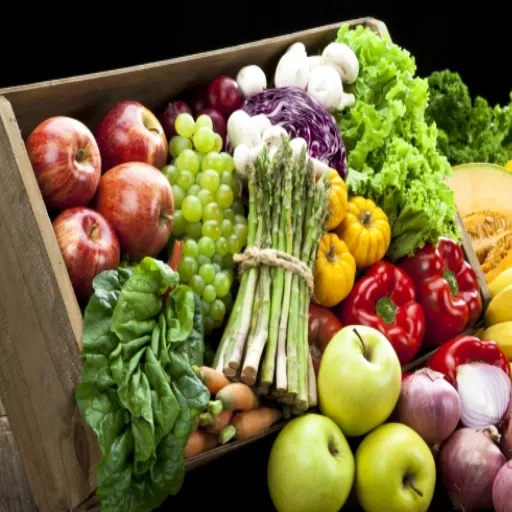
To help the Earth element and maintain its balance, the inclusion of certain food groups in your diet can be considered a good idea. Warm, cooked dishes are especially helpful as they ease the process of digestion and stabilize energy. The Earth element is represented through foods like root vegetables, particularly sweet potatoes, carrots, and beets, which are good options as they possess the Earth element’s grounding and nourishing characteristics. Also, eating whole grains such as oats, quinoa, and brown rice will help you to get energized and keep it going for the whole day. On the other hand, legumes like lentils or chickpeas give an excellent source of protein as well as fiber that helps in maintaining a healthy digestive system.
🥕 Recommended Foods for Earth Element Balance
- Sweet potatoes
- Carrots
- Beets
- Oats
- Quinoa
- Brown rice
- Lentils
- Chickpeas
- Squash
- Pumpkin
- Peaches
- Apples
Moreover, by adding naturally sweet foods to your diet and gradually increasing their portion size, you are indirectly strengthening the Earth element. Examples of such foods are squash, pumpkin, and sweet fruits like peaches or apples, which are in fact the most supportive ones, as they are in sync with the element’s calming properties. These foods not only provide necessary nutrients, but also help in lowering the cravings in a much healthier way, thus, the use of processed or overly refined sugar is greatly reduced. Fermented foods such as miso, kimchi, and yogurt are good for you too, as they keep the gut healthy—one of the main things to control when trying to balance the Earth element.
And finally, cooking is indeed one of the main things that may be as important as the ingredients themselves. Warm soups, stews, and slow-cooked dishes are great, because the cooking process makes the nutrients of food more accessible after digesting, hence the body absorbs more of such nutrients. Furthermore, the combination of meals with herbs like ginger, cinnamon, or fennel can not only help digestion but also induce warmth in the body. By eating consciously and selecting the foods that support the balance and stability, you, in fact, build the very strong basis for the overall physical, emotional, and energetic well-being.
Whole Grains and Their Benefits
Whole grains have always been recognized as the very basis of a healthy diet because of their excellent nutrient composition and various health benefits. Whole grains, unlike their refined counterparts, contain all the three fundamental parts of a cereal kernel, namely, the bran, germ, and endosperm, which means that they still have all the fiber, vitamins, minerals, and antioxidants. Consequently, they are not just the primary source of nutrients like B vitamins (like thiamin, riboflavin, and niacin), magnesium, iron, and selenium, but also the latter which are the important factors in energy production, bone maintenance, and the immune system. Furthermore, the fiber-rich nature of whole grains plays a great part in ensuring that a person’s blood sugar levels remain normal, the digestive system is working well, and the person is less prone to certain diseases.
📊 Key Statistics on Whole Grains
Research from Harvard University shows:
- Just 3 servings of whole grains daily can reduce heart disease risk by approximately 22%
- Whole grains help in preventing type 2 diabetes and certain cancers
- The fiber content promotes healthy weight by creating feelings of fullness and reducing calorie intake
Whole grains have another important attribute, which is their adaptability. Whole grains can be easily and quickly added to various cuisines and recipes with the likes of quinoa, farro, barley, and bulgur. Salads can be the main dish with grains as the main ingredient, they can be served together with roasted veggies, or one can replace refined grains in the cooking of any dish with them. For the ones who desire gluten-free substitutes, the likes of millet, amaranth, and buckwheat give one all the goodness of whole grains without any of the gluten-associated hassles. By turning whole grains into an indispensable part of your meals, not only do you give your body nutrients but also partake in a more sustainable and heart-friendly diet.
Incorporating Warm Foods into Your Diet
Warm foods are included in daily meals and they greatly affect digestion, and comfort, and they also contribute to overall health especially in the colder months. Over the digestive tract warm foods are more gentle, as less energy is required to digest them compared to cold or raw foods. Soups, stews, and roasted vegetables not only provide all the necessary nutrients but also give comfort and support in regulating body temperature and blood flow.
Moreover, the warming of food usually involves the use of seasonal ingredients that are abundant in vitamins, minerals, and antioxidants. To illustrate, root vegetables like carrots, sweet potatoes, and parsnips are the perfect warm meal and they can help you feel energetic all day long. Besides, hot drinks like herbal teas or broths can keep you hydrated while at the same time relaxing you and strengthening your immune system.
The research data indicates that the intake of warm foods can, in fact, stimulate the activity of the digestive enzymes to a greater extent; hence, nutrient absorption is improved. Gluten-free grain bowls or plant-based stews are options that can be adapted for those with restrictions which means everyone has access to the benefits of the warm food approach. Introducing warm foods into your daily routine will not only be a great way to enhance your overall health but also allow you to enjoy comfort and nourishment all year long.
Addressing Common Mineral Deficiencies

Understanding Iodine and Its Importance
Iodine is one of the important trace elements that the human body needs very little of. However, the thyroid gland, which regulates the whole process of metabolism and energy production in the body, is one of the major organs that require iodine for maintaining its normal function. In addition, iodine is very crucial in the production of T4 and T3 thyroid hormones, without which human brain growth, maturation, and overall cellular vitality would not be possible. Iodine deficiency can result in goiter, hypothyroidism, and even retardation in the development of children.
🌍 Global Iodine Deficiency Statistics
The World Health Organization (WHO) states that approximately 30% of the world’s population consumes an inadequate amount of iodine. The main sources of iodine in people’s diets are iodized salt, seafood, dairy products, and some types of seaweeds like kelp. Iodine supplementation of table salt has been one of the most effective and widely used public health interventions in many countries to combat the risk of goiter and other iodine deficiency-related health problems.
Recognizing personal dietary preferences is a vital factor in achieving optimal iodine consumption particularly in areas where people have different levels of access to iodine-rich foods. For instance, pregnant and lactating women require more iodine as it is crucial for brain development of the fetus and infant. Making iodine a part of nutritional guidelines can grant more people access to it and, at the same time, prevent the risks that come with both deficiency and excess which could also harm the thyroid. Taking iodine into consideration as an all-encompassing topic not only helps achieve the desired health outcomes but also keeps the whole world in good health.
Iron Deficiency: Causes and Solutions
One of the most prevalent nutritional deficiencies around the world is iron deficiency, and it is also a major cause of anemia, which is a condition that affects millions of people from all age groups. A poor diet is the leading cause of iron deficiency, especially in people who follow strict vegetarian or vegan diets. Although there are plant-based sources of iron like legumes, spinach, and fortified cereals, they mainly provide non-heme iron, which is not so easily absorbed by the body as heme iron from animal sources. Moreover, drinking excessively tea or coffee can also reduce iron absorption as these foods contain tannins and polyphenols, which are responsible for this effect.
⚠️ Who’s at Higher Risk?
- Women of childbearing age: Especially prone due to blood loss during menstruation
- Pregnant women: Need more iron to support fetal development
- Children during rapid growth phases: Iron stores may get depleted
- People with chronic diseases: Such as inflammatory bowel disease or gastrointestinal ulcers that may lead to internal bleeding or nutrient malabsorption
- Populations in certain regions: Where parasitic infections cause blood loss
✅ Practical Solutions for Iron Deficiency
- Consume iron-rich foods like lean meats, fish, legumes, and fortified cereals
- Pair plant-based iron sources with vitamin C-rich foods to enhance absorption
- Participate in fortification programs where iron is added to staple foods like flour and rice
- Consider iron supplements or intravenous iron therapies for severe cases under medical supervision
There is no one-size-fits-all solution for iron deficiency, so the methods to deal with it should be tailored to the needs of the individual and the population. It is important to raise the awareness of the public regarding the significance of a proper diet that is balanced and rich in iron as the first step in the right direction. Thus, if we concentrate on both assuring that no new cases arise and on treatment, iron deficiency can be successfully handled making an important contribution to the quality of life and the health of the worldwide population.
Vitamin D and B12 Deficiencies
Vitamin D and B12 deficiencies are major problems in public health worldwide, which affect the different functions of the human body and the overall quality of life. Vitamin D, known also as the “sunshine vitamin,” is very important in the body’s processes of maintaining bone health, calcium absorption and the immune system. A lack of vitamin D can cause different conditions such as rickets in children, osteomalacia in adults as well as increase the risk of chronic diseases. Factors like lack of sunlight, diet and certain medical conditions are among the causes of the low level of this nutrient. It is richly available through fatty fish, fortified dairy products and direct sunlight.
Vitamin B12 is important for nerve functioning, red blood cells’ production and DNA synthesis. When there is a scarcity of B12, the person may suffer from anemia, neurological problems, and mental decline. The situation is particularly alarming among those with dietary restrictions such as vegans and vegetarians, aging adults, and patients with absorption disorders like pernicious anemia. Livestock-derived products like meat, fish, eggs, and dairy are some of the richest sources of B12, and so, fortified plant-based substitutes are increasingly becoming available.
To deal with these deficiencies, government-led health initiatives stress the importance of food product fortification and the need for dietary supplementation in the case of necessity. Regular screening of at-risk populations can aid in early detection of deficiency symptoms allowing immediate intervention. Tackling vitamin D and B12 issues is necessary for the improvement of health in general and also for the decreasing of the burden of diseases connected with these vitamins around the globe.
Acupuncture and Dietary Support
How Acupuncture Complements Diet
Acupuncture, the age-old procedure of traditional Chinese medicine, is gradually gaining acceptance as a complimentary treatment to modern diet interventions. By the method of acupuncture, the body’s functions can be regulated and nutrients absorbed more easily if particular points are selected and stimulated. To illustrate, one study hypothesizes that acupuncture can boost gastrointestinal health by improving digestion and reducing the symptoms of acid reflux, IBS, and bloating. These aspects serve the purpose of the body in breaking down and gaining nutrients more efficiently thus raising the benefits of a balanced diet directly.
🎯 Key Benefits of Combining Acupuncture with Diet
- Stress Management: Acupuncture balances the nervous system and induces relaxation, preventing stress-related overeating and unhealthy food choices
- Inflammation Reduction: Addresses low-grade inflammation that affects nutrient absorption and contributes to chronic diseases
- Hormone Regulation: Helps regulate insulin and leptin, which control hunger and metabolism
- Easing Dietary Transitions: Reduces fatigue and unhealthy cravings, making it easier to adopt healthier eating patterns
One of the major points through which acupuncture supports diet is through dealing with wide-ranging problems like stress and inflammation that can upset both the healthy manner of eating and the metabolism of nutrients. An example of such stress could be chronic stress which is pretty much a modern-day phenomenon connected with busy lifestyles. This stress upsets the control of the body over its appetite and thus increases the chances of activities like overeating and unhealthy choices being made.
Moreover, acupuncture also can be adjusted according to the person’s diet, nutritional needs, and particular goals like losing weight or combating vitamin and mineral deficiencies. Thus when scientific dietary methods and acupuncture are combined together they result in a synergistic health approach which not only deals with the physical and emotional aspects but also with the barriers to proper nutrition that exist.
Points that Support the Earth Element
The Earth element is very commonly recognized as a factor of harmony, sustenance, and placidness which might as well be one of the main characteristics of the element in both the olden as well as the present-day health viewpoints. The most noticeable feature of this element is its control over the digestive tract and the nutrient transforming, thereby, symbolizing the whole physical and emotional capacity of society to process and incorporate experiences. A very healthy gut microbiome, frequently identified as the “core” of one’s health, is indeed very much alike in nurturing well-being and the Earth element’s influence. Balanced digestion leads to the readiness of the body with energy, good immunity, and clearness of mind thus contributing directly to the whole homeostasis.
New human living research supports the connection between Earth and nature stress relief. Long term stress can upset the body’s natural capability to stay in balance. The signs of this disruption can be seen in people’s weight, sleep, and mood disorders. Yoga, meditation, and acupuncture can help one regain the balance associated with the Earth element alongside the reduction of cortisol levels and offering the feeling of inner stability. These practices are progressively backed by clinical research which shows their positive effects on the stress-related problems thus confirming the Earth element’s role in building up the power of resistance.
🌿 Grounding Techniques for Modern Living
- Mindful eating practices to reconnect with food
- Regular yoga sessions for physical and mental balance
- Spending time in natural surroundings
- Walking barefoot in nature (grounding) to reduce inflammation and improve sleep
In addition to this, the Earth element draws one’s attention to the need for grounding in a rapidly paced, tech-savvy world. Mindful eating, yoga sessions, or natural surroundings—any of these activities could be a way to bring back the basic stability associated with the Earth element to one’s life. The importance of grounding techniques like walking in nature is gaining recognition as reducing inflammation, improving sleep patterns, and boosting mental health. When blended with traditional methods, these practices form a complete strategy for promoting the Earth element and at the same time bridging ancient wisdom with modern-day comprehension for the best health outcomes.
Integrating Acupuncture with Nutritional Changes
The combination of acupuncture and customized nutritional modifications is a total method to wellness that not only targets but also remedies root causes. Acupuncture is recognized for its ability to balance yin and yang (that is, the body’s energy), increase blood flow, and heal organ systems. It becomes more effective when the body is able to absorb physical nutrients that are needed for peak performance through nutritional adjustments. This synergy enhances treatment outcome whether it is for a digestive problem, hormones that are out of balance or fatigue that is chronic since it directs specifically to the deficiency or imbalance in the body.
For example, most Traditional Chinese Medicine (TCM) practitioners look at the spleen and stomach, which are key organs for digestion and absorption, as a pair whose relationship is very close. The hot nature of foods like ginger and cooked vegetables is one of the reasons these are recommended to support these organs and help keep the energy flowing. Now if one is having acupuncture for their digestive issues, then the diet can be used to continue the healing process by easing symptoms like bloating, heartburn or fatigue. There is a growing body of research that is supporting the effectiveness of this treatment combination as studies have shown improvement in gut health and better control of inflammatory markers.
💡 Practical Application
Modern technology has brought about better understanding of nutrition to the biochemical level and this can be easily aligned with acupuncture’s holistic approach. A diet high in omega-3 fatty acids and containing superfoods rich in micronutrients is an example of an anti-inflammatory diet that not only complements acupuncture’s therapeutic effects of stress reduction and immune system modulation but also enhances these effects. Thus, by combining the cultures of ancient wisdom and scientific research, patients receive a wide-ranging health care plan that will assist them in maintaining the health improvements over the long term.
References
- Skeletal Sodium: A Missing Element in Hypertension and Salt Excretion
This study explores the role of sodium as a missing element in dietary considerations, particularly in relation to hypertension and salt excretion. - Diet of the Snowy Owl in the Absence of Small Mammals
While focused on wildlife, this paper discusses dietary adaptations in the absence of key elements, which can provide insights into broader nutritional strategies. - Click here to read more.
Frequently Asked Questions (FAQ)
Q: What is the Missing Element Diet and how does it relate to addressing common nutrient deficiencies?
A: The Missing Element Diet is a somewhat extreme diet as it mostly consists of whole, nutrient-dense foods designed to counteract one of the most common nutrient deficiencies. It gets nicely rid of the focus on whole foods that can help replenish the missing elements. It places a major emphasis on plant-based foods and includes animal products when necessary, providing dietary iron-rich foods and vitamin B12, and even advocating for the use of supplements in certain cases.
Q: Which foods can help increase iron and prevent the common consequence of iron deficiency?
A: Deficiency of iron can be prevented by having high iron containing foods like red meat, liver, beans, lentils, and spinach. However, vegetarians and vegans must depend on legumes and parsley as iron sources but they should also eat citrus wedges to facilitate iron absorption as non-heme iron is not absorbed as well. Increasing iron-rich food helps to keep red blood cells and hemoglobin resulting in prevention of shortness of breath, a very common consequence of iron deficiency.
Q: How do vitamin B12 deficiency and vitamin D deficiency affect someone following the Missing Element Diet?
A: Vitamin B12 deficiency can cause anemia, immune system getting weaker, and nervous system disorders; since B12 absorption is protein-bound to a factor called intrinsic factor, vegetarians and vegans are likely to suffer from it and thus need B12 injections or higher doses of supplements or dietary sources like fortified foods or animal products. Deficiency of vitamin D is one of the most prevalent problems especially for people who live far from the equator; it has negative impact on bone health and immune function, therefore higher doses of supplements may be required when dietary sources and sun exposure are insufficient.
Q: Can pregnant women follow a Missing Element Diet safely and what should they focus on?
A: It is safe for pregnant women to have a Missing Element Diet which emphasizes iron-rich foods and folate, because they are at a higher risk of iron deficiency and deficiency can lead to low hemoglobin and developmental problems. The need for vitamin B12 and vitamin D is the same as for all pregnant women because severe B12 deficiency during pregnancy can lead to mental retardation and developmental abnormalities; hence, supplements can be the required as per a healthcare provider’s advice.
Q: How do leafy and cooling foods fit into the Missing Element Diet and the concept of element corresponds like fire element or wood element?
A: The Missing Element Diet cannot be imagined without leafy greens as they are indeed nutrient-dense food items that provide iron, folate, and other micronutrients to the body. Cooling foods like cucumber or certain fruits may be recommended by some traditional diets to balance the fire element or wood element in the body; while these concepts may be cultural, integrating leafy and cooling foods supports the overall element balance through vitamins and minerals.
Q: What role do animal products play and how much should you eat to meet amounts in animal foods for nutrients like B12 and heme iron?
A: Include animal products if your diet permits, as the amounts in animal foods give easily absorbed heme iron and vitamin B12 that can prevent anemia and maintain red blood cells. For those who avoid animal products, fortified foods or supplements may be necessary since plant-based foods do not contain intrinsic factor and non-heme iron is absorbed less efficiently.
Q: How can dietary choices like spicy foods, bell peppers, and parsley help enhance nutrient absorption in the Missing Element Diet?
A: Spicy foods and bell peppers are excellent sources of vitamin C, which can help the absorption of iron from plant sources; and parsley is a nutrient-rich herb that contributes iron and other micronutrients. Consuming foods like oranges or bell peppers with iron-rich meals can increase the uptake of non-heme iron and support the production of hemoglobin.
Q: Who is at higher risk of deficiencies on a Missing Element Diet and when should supplements be considered?
A: Older adults, pregnant women, vegetarians and vegans, and people who live far from the equator are at higher risk of deficiencies such as vitamin D deficiency and vitamin B12 deficiency. Common nutrient deficiencies may result in decreased resistance to infections and a reduced number of red blood cells. Supplementation may be necessary when diet alone cannot provide sufficient amounts, and healthcare providers may recommend B12 injections or higher doses of supplements for those who cannot absorb B12 or need rapid repletion.
Final Thoughts
Understanding your body’s nutritional needs and addressing missing elements through proper diet, lifestyle changes, and when necessary, supplementation, is essential for optimal health and well-being. By combining the wisdom of Traditional Chinese Medicine with modern nutritional science, you can create a balanced approach to nourishment that supports both physical and emotional health.