
The BaZi career analysis process uses your Four Pillars chart to identify your natural work style and determine which industries suit you best and select the work structure that matches your needs for either employment or entrepreneurship or partnership work. Your analysis of Day Master element and Ten Gods pattern and current Luck Pillar timing lets you make strategic decisions that your chart design supports instead of choosing a career through guessing.
David worked as a corporate lawyer for 12 years. He achieved professional success according to his resume. He worked as a senior associate at a mid-sized firm while he earned a six-figure salary and followed a path that would lead to partnership. Every Sunday evening he experienced the same feeling of dread. He had experimented with multiple career coaches and personality tests and tried working in legal tech sales for a short time. Nothing worked for him to find his correct path.
When he finally generated his BaZi chart, the pattern was unmistakable. His Day Master was Yi Wood, adaptive and creative. His chart was dominated by Hurting Officer and Indirect Wealth stars, the classic signature of someone who generates value through unconventional ideas and independent deal-making. Corporate law was not just a poor fit. It was the exact opposite of his design. At 38, he started a brand design consultancy. Revenue exceeded his old salary within 18 months. The difference was not talent. It was alignment.
The majority of professional guidance requests people to identify their strengths and their areas of interest. BaZi asks a different question: what is your chart built for? The guide shows you how to interpret your BaZi chart for professional guidance while determining your better career path between employment and entrepreneurship and planning your major life changes. If you have not generated your chart yet, use our free BaZi calculator first, then follow along.
For a complete foundation on what these eight characters represent, see our complete guide to Four Pillars of Destiny.
Key Takeaways
- BaZi career analysis reveals three things: your natural work style (Day Master), your optimal work structure (Ten Gods), and your best timing (Luck Pillars).
- There are four primary work-structure patterns: Self-Employment, Corporate Leadership, Partnership, and Specialist, each with distinct chart indicators.
- Your Day Master element points toward specific industries; your Day Master strength determines whether you thrive in independent or structured environments.
- The same Ten God creates different career outcomes depending on Day Master strength and chart structure.
- Timing career moves using Luck Pillars can mean the difference between a successful transition and a costly misstep.
What BaZi Career Analysis Actually Reveals
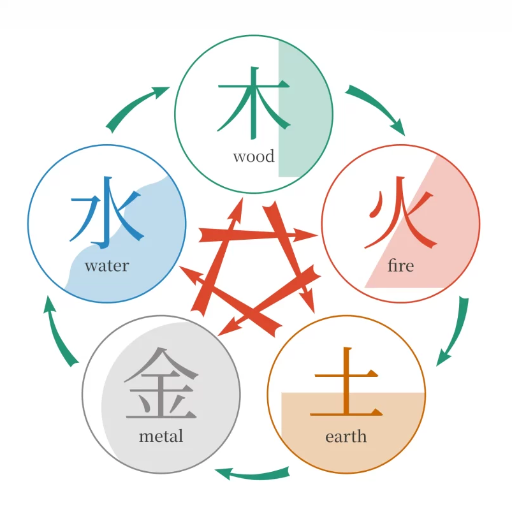
BaZi does not give you a job title. It will not say “software engineer” or “marketing director.” What it reveals is far more useful: the conditions under which you generate value most naturally.
Think of your chart as a professional blueprint. It shows three critical layers:
- Element (What): Your Day Master element and favorable elements point toward industries and environments that energize you.
- Structure (How): Your Ten Gods pattern reveals whether you thrive as an employee, entrepreneur, partner, or specialist.
- Timing (When): Your Luck Pillars show when to advance, when to pivot, and when to hold your position.
When all three align, work feels effortless. When they conflict, even high-paying roles drain you. This is why generic career advice fails so often. It addresses skills and passions but ignores design.
Nova Masters Consulting frames this well: BaZi is not about finding a job. It is about finding your professional ecology, the environment where your natural tendencies become competitive advantages.
For the foundation of how to read any chart, see our step-by-step chart reading guide.
Level 1: Your Day Master and Career Alignment
Your Day Master is the starting point for all career analysis. It represents your core work personality, the energy you bring to any professional environment.
Wood Day Masters
Jia Wood (Yang): The builder. Needs long-term vision and visible progress. He succeeds in positions which provide him both professional development opportunities and work autonomy.
Career alignment: Entrepreneurship, education leadership, architecture, environmental work, strategic planning, startup founding.
Yi Wood (Yin): The adapter. Reads environments and finds elegant paths around obstacles. Excels at timing and relationship navigation.
Career alignment: Public relations, diplomacy, counseling, fashion design, HR, social media strategy, creative direction.
Fire Day Masters
Bing Fire (Yang): The visible leader. Radiates energy and inspires groups. Needs recognition and purpose.
Career alignment: Executive leadership, entertainment, marketing, politics, media, hospitality, motivational speaking.
Ding Fire (Yin): The refined influencer. Connects deeply one-on-one. Brings precision and warmth to everything.
Career alignment: Research, data analysis, psychology, UX design, fine arts, writing, software development, therapy.
Earth Day Masters
Wu Earth (Yang): The stabilizer. Does not flinch under pressure. Protects systems and people.
Career alignment: Real estate, banking, insurance, government, project management, construction, supply chain, operations.
Ji Earth (Yin): The nurturer. Notices what others miss. Keeps relationships and processes alive.
Career alignment: Healthcare, teaching, childcare, social work, interior design, food industry, customer success.
Metal Day Masters
Geng Metal (Yang): The decision-maker. Cuts through complexity with clarity. Values fairness and results.
Career alignment: Law, military, surgery, finance, engineering, sports coaching, automotive, compliance.
Xin Metal (Yin): The refiners. Brings aesthetic sensibility and precision to everything.
Career alignment: Jewelry design, luxury goods, accounting, editing, dentistry, quality assurance, technology hardware, branding.
Water Day Masters
Ren Water (Yang): The strategist. Thinks in systems and sees patterns across vast distances.
Career alignment: International business, logistics, shipping, diplomacy, strategic consulting, venture capital, systems architecture.
Gui Water (Yin): The analyst. Processes deeply and reads between the lines effortlessly.
Career alignment: Counseling, journalism, market research, nursing, intelligence analysis, writing, cybersecurity, data science.
How Day Master Strength Changes Career Recommendations
A strong Jia Wood Day Master can handle the pressure of entrepreneurship and leadership. A weak Jia Wood benefits more from structured environments where support systems handle the overhead. Strength does not change your element. It changes how you express it.
For a deeper explore identifying your Day Master, read our complete Day Master guide.
Level 2: Your Ten Gods and Work Structure
Your Day Master tells you what industry fits. Your Ten Gods tell you how you should work within it. This is where most career misalignment happens. People choose the right field but the wrong structure.
The Four Work-Structure Patterns
Pattern 1: Self-Employment / Entrepreneurship
Chart indicators:
- Strong Day Master (self-sufficient energy)
- Strong Output stars (Eating God, Hurting Officer)
- Strong Wealth stars (Direct Wealth, Indirect Wealth)
- Weak or missing Officer stars (discomfort with authority)
Why it works: You have the creativity to generate ideas and the drive to monetize them. Working within rigid hierarchies feels restrictive. You need autonomy, variety, and direct connection between effort and reward.
Best paths: Freelancing, consulting, creative entrepreneurship, independent trading, content creation, agency ownership.
Pattern 2: Corporate Leadership
Chart indicators:
- Moderate Day Master (balanced ego)
- Strong Officer stars (Direct Officer, Seven Killings)
- Resource stars present (continuous learning)
- Structured chart with clear patterns
Why it works: You understand how to navigate organizations, manage upward and downward, and thrive within systems. You respect hierarchy and know how to use it.
Best paths: Corporate executive track, government, law firm partnership, hospital administration, academic leadership.
Pattern 3: Partnership
Chart indicators:
- Weak Day Master (needs support)
- Strong Wealth stars
- Friend or Rob Wealth present (collaborative spirit)
- Balanced element distribution
Why it works: Solo work feels isolating. Your strengths multiply when combined with complementary partners. You succeed through shared vision and distributed responsibility.
Best paths: Business partnerships, co-founder arrangements, professional practice groups, team-based ventures.
Pattern 4: Specialist / Technician
Chart indicators:
- Strong Resource stars (deep study)
- Moderate or weak Output stars (focused expression)
- Clear elemental focus (not scattered)
Why it works: You excel at mastery within a narrow domain. Generalist roles bore you, but deep expertise makes you invaluable and highly compensated.
Best paths: PhD research, medical specialization, senior engineering, forensic accounting, tax law, technical architecture.
Ten Gods Career Archetypes
| Ten God | Core Work Style | Best Roles | Avoid |
|---|---|---|---|
| Direct Officer | Structured, responsible, managerial | Corporate executive, civil servant, lawyer, administrator | Unstructured creative roles |
| Seven Killings | Decisive, pressure-driven, competitive | Crisis manager, surgeon, military, competitive sales | Slow-paced, repetitive work |
| Direct Wealth | Pragmatic, stable, accumulative | Accounting, banking, property management, operations | High-risk speculation |
| Indirect Wealth | Opportunistic, risk-tolerant, deal-maker | Trading, entrepreneurship, investment, sales | Fixed-salary bureaucracy |
| Eating God | Creative, expressive, teaching-oriented | Content creator, chef, artist, teacher, consultant | High-pressure micromanaged roles |
| Hurting Officer | Innovative, critical, unconventional | Tech startup, advertising, consulting, media | Rigid corporate hierarchy |
| Direct Resource | Scholarly, patient, mentor-type | Professor, researcher, strategist, advisor | Aggressive sales environments |
| Indirect Resource | Niche expert, intuitive, unconventional | Metaphysics, psychology, IT specialist, alternative medicine | Mainstream collaboration roles |
| Friend / Rob Wealth | Independent, competitive, self-driven | Freelancer, entrepreneur, sales, athlete | Bureaucracy, micromanagement |
Priya’s chart was dominated by Direct Officer and Direct Resource stars. She had spent five years trying to launch startups. Each one failed. The pattern was not bad luck. Her chart was built for structured leadership, not independent risk-taking. When she finally accepted this and pursued hospital administration, she thrived within months. The role used her Officer star’s respect for hierarchy and her Resource star’s drive for continuous learning. She was not failing at entrepreneurship. She was succeeding at the wrong structure.
For a complete breakdown of what each Ten God represents, see our detailed Ten Gods meaning guide.
Level 3: Timing Your Career Moves with Luck Pillars
Knowing your optimal career path is only half the battle. The other half is timing. A career change made during a favorable Luck Pillar feels like the wind is at your back. The same change made during an unfavorable cycle feels like pushing uphill.
Career Timing by Luck Pillar Type
Wealth Luck Pillars (Direct Wealth / Indirect Wealth)
This is expansion energy. Financial opportunities increase. Promotions come more easily. Business ventures find traction. If you have been planning a career change, a Wealth Luck Pillar is the green light.
Strategy: Launch businesses, seek promotions, negotiate salary, make strategic job changes, expand income streams.
Officer Luck Pillars (Direct Officer / Seven Killings)
This is authority energy. Career pressure increases, but so does advancement potential. You are noticed by decision-makers. Your capacity for responsibility is tested.
Strategy: Seek leadership roles, accept challenging assignments, build your reputation, climb the hierarchy.
Resource Luck Pillars (Direct Resource / Indirect Resource)
This is preparation energy. Not a high-action period. This is when you build credentials, earn certifications, and deepen expertise. The payoff comes later.
Strategy: Pursue degrees or certifications, build networks, study new fields, prepare for future moves. Do not launch major ventures now.
Output Luck Pillars (Eating God / Hurting Officer)
This is creative energy. Your ideas flow more easily. Innovation is rewarded. This is ideal for launching creative projects, building a body of work, or transitioning into expression-based roles.
Strategy: Launch creative projects, write books, start content platforms, move into creative or consulting roles.
Companion Luck Pillars (Friend / Rob Wealth)
This is competitive energy. Peer interaction intensifies. Collaboration creates advantage, but so does rivalry.
Strategy: Build teams, enter partnerships, compete for visible roles, differentiate yourself from peers.
The 3-Year Transition Window
Major career changes cluster around Luck Pillar transitions. Most practitioners observe a three-year window of heightened activity: one to two years before the new pillar begins, the transition year itself, and one year after.
Thomas wanted to quit his engineering job. He was miserable, underpaid, and burned out. His chart showed strong entrepreneurial indicators: a robust Geng Metal Day Master with dominant Indirect Wealth and Hurting Officer stars. But his current Luck Pillar was an unfavorable Earth cycle that drained his Metal energy.
He did not quit immediately. He spent 14 months building a client pipeline, saving money, and refining his consulting offer. When his Wealth Luck Pillar began, he made the leap. His new role paid 40% more, and within six months, he had more autonomy than he had ever had in his corporate position. He did not just change careers. He timed the transition.
For a complete breakdown of how to read your Luck Pillars, see our Luck Pillars and 10-year cycles guide.
Employee vs Entrepreneur: How to Read Your Chart
This is the question that drives more career confusion than any other. Should you build your own thing or climb within someone else’s? Your chart has a clear preference.
Self-Employment Indicators
- Strong Day Master with weak Officer stars
- Dominant Output + Wealth combination
- Multiple Rob Wealth or Friend stars
- Chart lacks strong Direct Officer structure
What this feels like: You feel suffocated by corporate processes. You have endless ideas but struggle to execute them within systems. You have probably already started side projects.
Corporate Success Indicators
- Moderate Day Master with strong Officer stars
- Resource stars supporting structured growth
- Clear chart patterns without excessive rebellion
- Strong Direct Officer or Direct Wealth
What this feels like: You respect hierarchy and know how to use it. You thrive when given clear goals and resources. Promotions feel natural.
Partnership Indicators
- Weak Day Master needing support
- Strong Wealth with collaborative stars
- Balanced element distribution
- Friend or Rob Wealth in multiple pillars
What this feels like: Solo work feels isolating. You think better in conversation. Your best ideas come from collaboration.
Quick Assessment Checklist
Answer these based on your chart:
- Is your Day Master strong or weak? (Strong leans independent; weak leans collaborative.)
- Are Officer stars strong or weak? (Strong leans corporate; weak leans self-employed.)
- Are Output stars dominant? (Yes leans creative or entrepreneurial.)
- Are Wealth stars accessible? (Yes leans business or high-performance roles.)
- Are Resource stars your main support? (Yes leans specialist or academic paths.)
Critical caution: Never quit a stable role during an unfavorable Luck Pillar without a financial runway and a tested alternative. Your chart may show entrepreneurial potential, but timing determines whether that potential succeeds or collapses.
Practical Career Strategy by Chart Type
Here is how to translate your chart into actual decisions.
Strong Day Master + Strong Wealth
You have the energy to pursue resources and the capacity to hold them. This is a leadership or entrepreneurship pattern.
Strategy: Pursue roles with high autonomy and direct financial upside. If entrepreneurship, start during a Wealth or Output Luck Pillar. If corporate, target commission-based or equity-heavy roles.
Weak Day Master + Strong Officer
You thrive when structure supports you. Authority and hierarchy are not enemies. They are scaffolding.
Strategy: Target established organizations with clear advancement tracks. Build relationships with mentors. Avoid roles with excessive uncertainty or solo responsibility.
Strong Output + Strong Wealth
This is the classic creative entrepreneur pattern. You generate ideas and monetize them.
Strategy: Build a portfolio career. Combine consulting, content creation, and product development. Launch during Output or Wealth cycles.
Strong Resource + Weak Output
You are built for depth, not breadth. Mastery is your competitive advantage.
Strategy: Pursue advanced credentials. Target roles that reward deep expertise. Avoid generalist management tracks that pull you away from your core skill.
Multiple Rob Wealth Stars
You are competitive and collaborative simultaneously. Solo work underutilizes you.
Strategy: Build or join teams. Partnership structures, sales teams, and competitive environments bring out your best.
Chart Clashes
If your Day Master clashes with your industry element, you will feel persistent friction regardless of success.
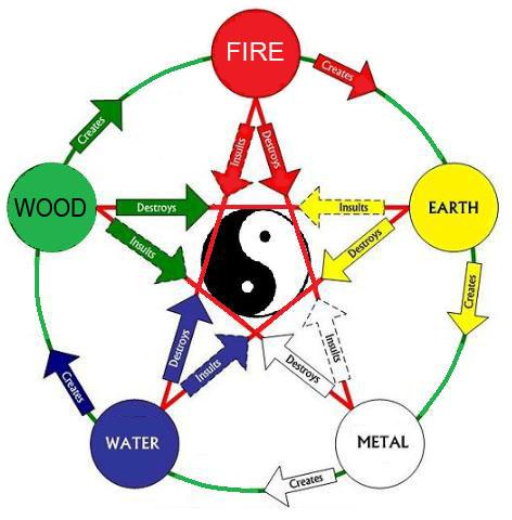
Example: A Wood Day Master in a Metal-dominated industry (finance, law) experiences constant pressure. Metal controls Wood. The career may pay well but will drain energy over time.
For understanding which elements support or challenge your Day Master, read our Five Elements personality guide.
When to Hold, When to Move
Not every career dissatisfaction means you should quit. BaZi distinguishes three patterns, each requiring a different response.
Pattern 1: Wrong Timing, Right Career
You used to succeed but recently feel stuck. Your role fits your chart, but your current Luck Pillar suppresses your favorable elements.
Indicators: Past success in current field, recent stagnation, current Luck Pillar introduces clashing or draining elements.
Strategy: Hold your position. Upskill. Build networks. Wait one to three years for the cycle to shift. Do not abandon a aligned career because of temporary timing.
Pattern 2: Right Timing, Wrong Career
You have energy and opportunity, but your work feels hollow. Your Luck Pillar is favorable, but your role suppresses your natural strengths.
Indicators: General life momentum, but persistent dissatisfaction at work, skills mismatch with role requirements, envy of people in different fields.
Strategy: Change now. Your current cycle supports movement. Use the favorable energy to pivot toward roles that activate your dominant Ten Gods.
Pattern 3: Structural Mismatch
You have never felt at home in your field, regardless of company or role. Your Day Master element clashes with your industry element.
Indicators: Chronic dissatisfaction across multiple roles, consistent burnout, feeling like an impostor despite competence.
Strategy: Genuine pivot needed. But time the transition for a favorable Luck Pillar. Build transition skills during your current Resource cycle if possible.
AstroBazi’s analysis of over 1 million readings found that approximately 85% of career dissatisfaction falls into these three patterns. People whose industry aligned with their Day Master’s favorable element reported 31% higher job satisfaction and were twice as likely to find their work fulfilling.
Frequently Asked Questions
How do I know what job suits my BaZi?
Start with your Day Master element for industry direction. Then assess your Ten Gods pattern for work structure. Finally, check your current Luck Pillar for timing. All three must align for optimal fit.
What are the best careers for each Day Master?
Wood thrives in growth-oriented fields like education and design. Fire excels in visible roles like media and leadership. Earth anchors stability-focused careers like real estate and operations. Metal dominates precision fields like finance and law. Water flows into strategic roles like consulting and research.
Can BaZi tell if I should be an employee or entrepreneur?
Yes. Strong Day Masters with dominant Output and Wealth stars typically favor entrepreneurship. Moderate Day Masters with strong Officer stars usually thrive in corporate structures. Weak Day Masters with collaborative stars often succeed in partnerships.
What is the Wealth Star in BaZi?
The Wealth Star represents the element your Day Master controls. Direct Wealth indicates stable, accumulative income. Indirect Wealth indicates variable, opportunity-based income. The star’s strength and favorability determine your natural relationship with money.
How do Luck Pillars affect career timing?
Wealth Pillars favor expansion and financial moves. Officer Pillars favor authority and advancement. Resource Pillars favor learning and preparation. Output Pillars favor creativity and expression. Companion Pillars favor teamwork and competition.
How does Day Master strength affect career?
A strong Day Master handles pressure and independence well. A weak Day Master benefits from support, structure, and collaboration. Strength does not determine success. It determines the conditions under which you succeed.
Which Ten God is best for business success?
Indirect Wealth combined with strong Output stars is the classic entrepreneurial pattern. But business success depends on the full chart structure. A strong Day Master with favorable Wealth stars succeeds in business. A weak Day Master with excessive Wealth may be overwhelmed by it.
When should I change jobs according to BaZi?
The best time is during a favorable Luck Pillar that brings your Useful Element or supports your Day Master. Avoid major changes during unfavorable cycles, clash years, or transition periods without a clear plan and financial buffer.
Conclusion
Your career is not random. It is ecological. The right role is not the one that pays the most or impresses others. It is the one where your natural tendencies become competitive advantages.
You now have a framework:
- Identify your Day Master for industry direction.
- Map your Ten Gods for work structure.
- Determine Day Master strength for environmental fit.
- Assess your current Luck Pillar for timing.
- Apply the four work-structure patterns to find your optimal path.
- Use the hold vs move framework to decide when to act.
David found his design consultancy after 12 years in the wrong field. Priya stopped fighting entrepreneurship and became the leader she was built to be. Thomas waited 14 months and timed his transition perfectly.
Your chart already contains the answer. You just need to read it.
Ready to analyze your career potential?
Generate your free BaZi chart now and discover your optimal career path, work structure, and timing.
Your professional blueprint is already there. You just need to decode it.