


Yin Earth Personality: A Practical Guide to the Ji Earth Day Master
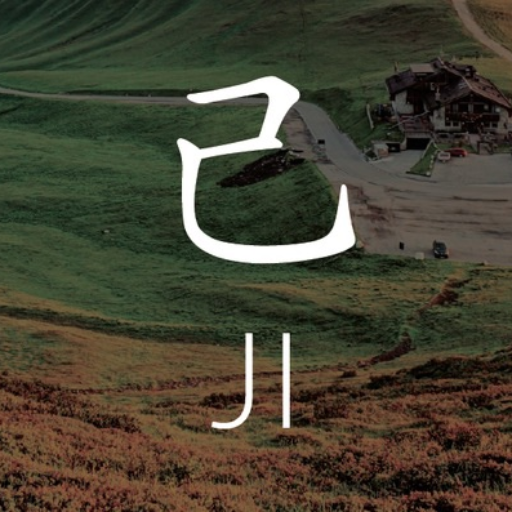
A yin earth personality in BaZi, also called a ji earth personality, is marked by resourcefulness, nurturing behavior, and quiet productivity. People with Ji Earth (Yin Earth / 己) as their Day Master are the cultivators of the Ten Heavenly Stems. They solve problems before others notice them, support growth in everyone around them, and possess an almost endless capacity for practical solutions.
If you have ever been called “too accommodating,” “a worrywart,” or “the invisible person who holds everything together,” your BaZi chart may hold the explanation. Most BaZi content describes Yin Earth in passive, mystical terms without actionable takeaways. This guide maps the Ji Earth Day Master as a system of patterns you can actually use for career decisions, relationship boundaries, and preventing the burnout that derails naturally resourceful people.
Not sure if you are a yin earth day master? Calculate your BaZi chart to confirm your Day Master before reading on.
Key Takeaways
- Yin Earth (Ji Earth / 己) represents fertile garden soil in the Five Elements personality system. It is nurturing, resourceful, and productive but prone to over-accommodation and burnout.
- Strong Ji Earth people are influential and generous but risk controlling behavior. Weak Ji Earth people are cooperative but may feel invisible and undervalued.
- Ideal careers include coaching, project management, finance, healthcare, and education. Yin Earth wealth builds through steady cultivation, not speculation.
- Water is the Wealth element for Yin Earth. The unique advantage is that Yin Earth never fully exhausts Water, making it perpetually resourceful.
- Balance comes from building boundaries, practicing strategic resourcefulness, and partnering with Yang Wood and Metal types for structure and refinement.
What Is the Yin Earth Personality? The Garden Soil as a Behavioral Model
The Core Symbolism
In the Four Pillars of Destiny, the yin earth bazi archetype is represented by Ji Earth (己), one of the ten Heavenly Stems. Its classical metaphor is fertile soil, farmland, or a cultivated garden. Unlike Yang Earth (Wu Earth / 戊), which is the mighty mountain, structural and immovable, Ji Earth is nurturing, adaptive, and productive.
A mountain demands attention. It dominates the landscape. Soil does not. It sits quietly beneath everything, making growth possible. That is the essential difference between Yang Earth and Yin Earth personality types. One builds structures. The other cultivates what grows within them.
This metaphor is not mystical. It is a behavioral model. Soil receives seeds, breaks them down, and transforms them into something new. Ji Earth people do the same with ideas, people, and projects. They are the processors, the nurturers, the ones who make raw material useful.
Why the Day Master Matters
Your Day Master, found in the Day Pillar of your BaZi chart, represents your core identity. It is not a zodiac sign. It is one of ten energetic patterns that shapes how you think, act, and respond to the world around you.
If you are a yin earth day master, Ji Earth in your Day Pillar is the dominant lens through which you experience life. However, your full chart modifies these traits. The other three pillars, the Five Elements balance, and your Luck Pillars all add nuance. Your Day Master is the starting point, not the whole story.
Yin Earth Personality Traits: The Pattern Breakdown
The Cultivator Profile
Yin Earth people share a distinct set of behavioral patterns that competitors often describe in vague, spiritual language. Here is what the data actually shows.
Resourceful and productive. Ji Earth is widely regarded as the most resourceful of all ten Heavenly Stems. Like soil that can grow almost anything given the right conditions, Yin Earth people find solutions where others see dead ends. They cannot sit idle. They need to be useful, and they usually are.
Nurturing and protective. Strong maternal or paternal instincts are common. Yin Earth people instinctively support growth in others. They are the colleagues who stay late to help a teammate finish a presentation, the friends who cook for someone going through a rough patch, the managers who invest in developing their people rather than replacing them.
Patient and persistent. Ji Earth does not favor get-rich-quick schemes. Like a gardener tending a tree, Yin Earth people are comfortable with slow, steady development. They trust process over pace.
Principled and ethical. They act on gut feeling and integrity, not pure profit logic. If a deal compromises their morals, they will walk away without hesitation. This makes them trustworthy in negotiations but occasionally frustrating to purely profit-driven partners.
Excellent memory. Near-photographic retention is frequently reported among Ji Earth Day Masters. They remember details, conversations, and patterns with unusual clarity. This supports expertise development but has a shadow side.
Adaptive and accepting. Soil receives everything, rain and rot alike, and transforms it. Yin Earth people are non-judgmental and accommodating. They can work with almost anyone because they do not waste energy rejecting what they cannot change.
When Maya joined a fintech startup as an operations lead, the company was hemorrhaging money on inefficient vendor contracts. Within three months, she had renegotiated every agreement, built a vendor scorecard system, and trained two junior staff to maintain it. No one asked her to do half of this. She simply saw gaps and filled them. When her CEO finally noticed during a board presentation, he called her “the secret weapon.” Maya’s response? “I was just being useful.” That is classic Ji Earth thinking.
The Shadow Side: Yin Earth Weaknesses
Every strength has a flip side when it becomes excessive or unsupported.
Worry and overthinking. The same excellent memory that makes Ji Earth people detail-oriented also makes them prone to rumination. They remember wrongs done to them vividly and find forgiveness difficult. They can become worrywarts.
Controlling or possessive. Their caring nature can tip into possessiveness when they feel insecure. If they invest heavily in nurturing someone or something, they may struggle to let go.
Undervalues self. Yin Earth people often fail to recognize their own resourcefulness unless someone else points it out. Their humility is genuine, but it can cost them promotions, fair compensation, and visibility.
Overly accommodating. Kindness can be mistaken for gullibility. Ji Earth people may over-compromise to preserve harmony, making them appear indecisive or lacking authority.
Aristocratic tendencies. Ji Earth enjoys luxury, comfort, and refined taste. They prefer living “like a lady or gentleman.” Without financial backing, this can create lifestyle pressure.
Resistance to change. Familiarity feels safe. They tend to stick to routines and known situations, which can hinder growth if left unchecked.
Strong vs. Weak Yin Earth Personality: Why Context Changes Everything
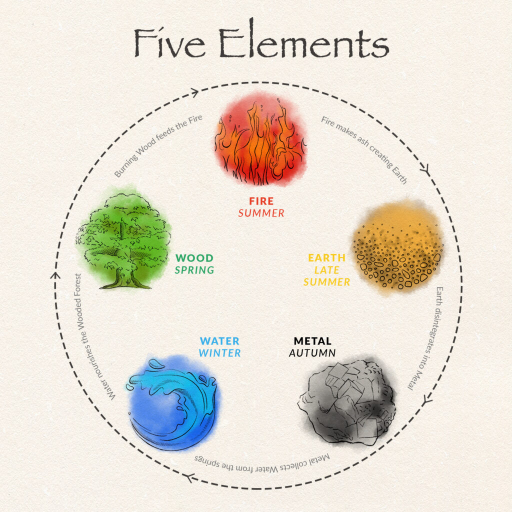
This is where most BaZi content fails. It treats all Yin Earth people identically. The strength of your Ji Earth in the full chart dramatically changes how these traits show up.
Strong Ji Earth: The Overworked Garden
Strong Ji Earth typically appears when you are born in late Summer (the season when Earth peaks) or when your chart contains significant Fire and Earth support. Fire generates Earth in the Five Elements cycle, so abundant Fire strengthens Ji Earth considerably.
Strong Ji Earth people are highly productive, influential, and generous. They have resources to share and the confidence to share them. They often become the go-to problem solvers in their organizations and families.
The risk? They over-give and burn out. A garden that produces too much without rest depletes its own nutrients. Strong Ji Earth people can become controlling, meddling, or unable to delegate. Their over-accommodation can breed resentment, both in themselves and in others who come to expect it.
Weak Ji Earth: The Depleted Soil
Weak Ji Earth appears when you are born in Spring (when Wood dominates and controls Earth) or when Metal and Wood elements overpower Earth in your chart. Metal drains Earth energy, while Wood directly controls and suppresses it.
Weak Ji Earth people are humble, cooperative, and detail-oriented. They are still resourceful, but their resources feel limited. They may feel invisible, as if their contributions disappear into the background.
The risk here is low self-worth, excessive people-pleasing, and dependency on external validation. Without enough Earth energy to ground them, they may struggle to assert their needs or claim credit for their work.
How to Tell Which One You Are
The quickest indicator is your birth season. Late Summer births (July-August in the lunar calendar) tend toward strong Earth. Spring births (February-April) tend toward weak Earth. However, this is only a rough guide. Your full BaZi chart analysis is needed for an accurate reading because the Month, Year, and Hour Pillars all modify your Day Master’s strength.
Yin Earth Personality at Work: Career Strategy by Design
Where Yin Earth Thrives
Yin Earth people excel in roles that require organization, planning, stability, and problem-solving. The global coaching market and people-development roles continue expanding, aligning directly with Ji Earth’s natural strengths. For a broader framework on mapping any chart to professional decisions, see our BaZi career analysis guide.
Specific fields where Ji Earth dominates include:
- Coaching, mentoring, and people development. Nurturing talent is literally what soil does.
- Project management and operations. Organizing chaos into growth is a core Ji Earth skill.
- Finance, accounting, and planning. Methodical resource management plays to their strengths.
- Healthcare, therapy, and counseling. These nurturing roles feel natural.
- Creative production and design. Bringing ideas to life mirrors the cultivation process.
- Education and training. Cultivating knowledge in others is deeply satisfying.
Where Yin Earth Struggles
Highly confrontational environments, roles requiring constant self-promotion, isolated work with no team to support, and cultures where ruthlessness is rewarded over care will drain Ji Earth people quickly.
David, a Ji Earth project manager at a consulting firm, was assigned to lead a team restructuring. His natural instinct was to meet individually with every affected employee, understand their concerns, and find placements that fit their strengths. His director wanted him to “just cut heads and move on.” David compromised by doing the humane work quietly and presenting the director with a clean, efficient plan. The team retained 80% of its talent. David got a promotion. But he also spent six months recovering from the stress of working against his natural instincts in a confrontational environment.
The Yin Earth Career Framework
Lead with resourcefulness. Your problem-solving is your brand. Do not try to compete on visibility or aggression. Compete on outcomes.
Build boundaries around giving. Schedule “nurture time” and protect it. Saying no to one request preserves your capacity for the requests that truly matter.
Partner with Yang Earth (Wu Earth) types for structure and scale. They provide the mountain. You provide the garden.
Partner with Metal types for boundaries and refinement. Metal cuts and shapes. It gives you the structure to say no gracefully.
Document your contributions. Your humility can hide your impact. Keep a running log of problems solved and value created.
The Yin Earth Wealth Angle
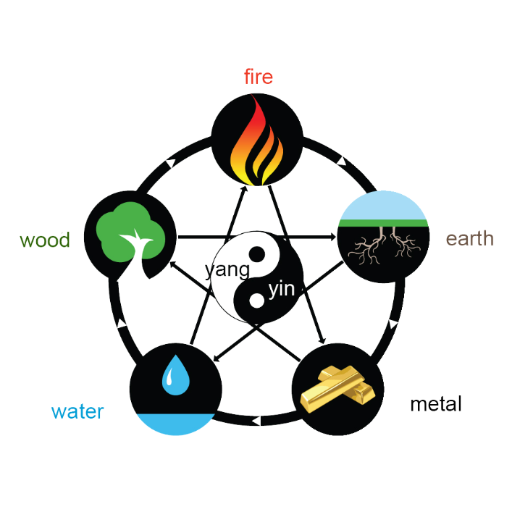
In the Five Elements system, Water represents Wealth for Earth types. This means Yin Earth people accumulate resources through flow, relationships, and steady cultivation rather than brute force or speculation.
Behavioral economics research consistently shows that patient, steady wealth-building strategies outperform impulsive decisions over time. This is the natural advantage of Ji Earth.
Best wealth strategies include income-generating assets, advisory fees, coaching and consulting income, and real estate. Avoid speculative ventures, high-pressure sales environments, and anything requiring aggressive self-promotion.
Here is the unique advantage: Yin Earth never fully exhausts Water. Like moist soil found deep in a desert, Ji Earth retains resourcefulness regardless of external conditions. Even in lean periods, Yin Earth people find ways to generate value.
Yin Earth in Relationships
Social Dynamics
The yin earth personality shows care through tangible action. They cook for someone in need. They organize a friend’s chaotic schedule. They quietly solve problems before anyone asks.
They are slow to trust but deeply loyal once committed. Their inner circle is small and protected. They are generous with time and energy for the people they care about.
In conflict, they accommodate to a fault. They may suppress their own needs to preserve harmony. This creates resentment over time if their partners do not reciprocate.
Compatibility Patterns
Most compatible elements include Fire, which warms and energizes Earth; Yang Wood, which provides structure for the garden to grow around; and Water, which brings flow and wealth.
Most challenging combinations include excessive Wood, which uproots and demands too much from Earth; and excessive Metal, which hardens the soil and removes warmth.
That said, compatibility is chart-specific. Your Day Master is one layer among many. A full Day Master compatibility analysis is needed for accurate relationship mapping.
Health, Balance, and Overwork Prevention
The Physical Pattern
In traditional Chinese medicine, the Earth element governs the spleen, stomach, pancreas, muscles, and digestion. The Earth-spleen-stomach association is well-documented in both TCM theory and modern gut-brain axis research.
Excess Earth manifests as digestive issues, weight gain, dampness, lethargy, and overthinking. Weak Earth shows up as poor digestion, muscle weakness, nutritional deficiencies, and anxiety from feeling unstable.
The Yin Earth Balance Protocol
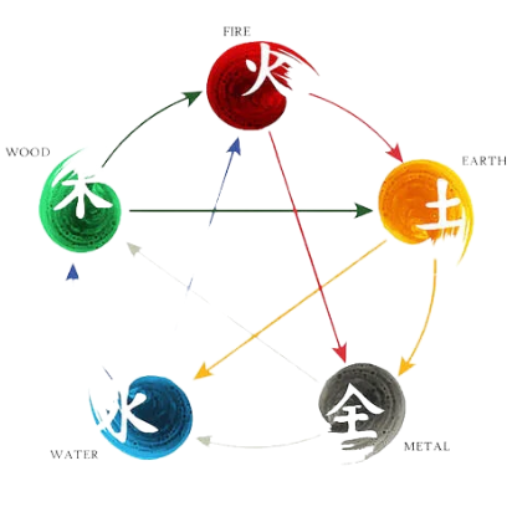
Elemental balance. Wood activities, such as walking in forests or gardening, introduce growth and movement to prevent stagnation. Fire activities, such as social expression and creative hobbies, warm the soil and energize it.
Cognitive reframe. Stop viewing accommodation as weakness. Reframe it as strategic resourcefulness with boundaries. You are not saying no because you are unhelpful. You are saying no because you want to preserve your capacity for what matters.
Environmental adjustments. Curved lines, natural textures, earthy tones with warm accents support Ji Earth energy. Avoid overly sterile, rigid, or cold environments.
Behavioral practice. Practice saying no as a way to preserve capacity. Start small. Decline one low-value request per week. Notice that the world does not collapse.
Physical maintenance. Regular movement prevents stagnation. Avoid excessive sitting or heavy meals, both of which aggravate Earth element imbalance.
Seasonal Awareness
Late Summer is peak Earth energy. Channel this into consolidation and system-building. Spring is when Earth energy is lowest. Delegate, rest, and let others take initiative during this season.
Sarah, a Ji Earth HR director, noticed she felt exhausted every Spring. Her calendar was packed with hiring cycles and performance reviews, the exact opposite of what her chart needed. She started blocking “soil rest” weeks in March and April, delegating routine work to her team, and focusing only on strategic planning. Her energy improved. Her team’s autonomy improved. And her Spring performance reviews actually got better because she was not running on empty.
Yin Earth vs. Yang Earth: The Critical Distinction
Understanding the difference between Ji Earth and Wu Earth is essential for accurate self-assessment. They are both Earth, but they express completely differently.
| Trait | Yin Earth (Ji / 己) | Yang Earth (Wu / 戊) |
|---|---|---|
| Metaphor | Fertile garden soil | Mighty mountain |
| Nature | Pliable, nurturing, productive | Solid, immovable, containing |
| Expression | Detail-oriented, small-scale | Large-scale, structural |
| Social style | Supportive, behind-the-scenes | Protective, authoritative |
| Change response | Slow, prefers familiarity | Extremely resistant |
| Work style | Organizes and cultivates | Builds and fortifies |
| Risk | Over-accommodation, burnout | Inflexibility, stonewalling |
Yin Earth is the garden. Yang Earth is the wall around it. You need both, but they require different management strategies. If you want to explore the mountain type in more depth, read our full guide to (Yang Earth (Wu) personality).
Conclusion
The yin earth personality is not a mystical label. It is a pattern of resourcefulness, nurturing, and steady productivity. Your accommodating nature is not a flaw. It is a cultivation system that, when bounded, outgrows brute force.
The key insight is this: soil does not demand attention, but it cannot produce indefinitely without rest. Build boundaries. Document your impact. Partner with elements that provide structure and warmth. And remember that your chart shows the terrain, but you choose what to grow in it.
Ready to see how your yin earth personality interacts with the other elements in your chart? Generate your full BaZi analysis and discover your complete energetic blueprint.