


The ancient Bazi system reveals your destiny through its practice which shows your essential nature and how you interact with others and which path you will follow in life. The Bazi chart which people refer to as the Four Pillars of Destiny serves as a complex Chinese metaphysical instrument which interprets the celestial patterns and energies that existed during your birth moment. People can find multiple software programs and tools which can create Bazi charts but studying manual plotting methods will help them understand Bazi charting principles better. The guide has been designed to help you learn Bazi charting through hand plotting by providing detailed instructions which show each step of the process. The article will help you understand the system because it shows how time and nature interact with your energy pattern. The practical method will help both beginners and advanced Bazi students to build their basic skills while they learn about Bazi’s complex details.
Understanding the Basics of Bazi Astrology
What is Bazi?
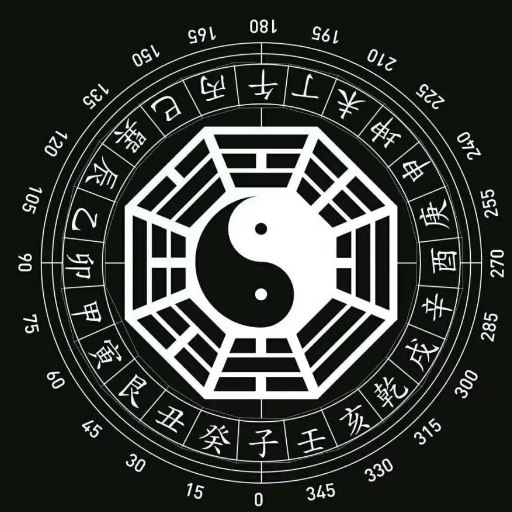
Your skills as a Bazi astrologer enable you to analyze a person’s destiny through their birth information which includes their birth year, month, day, and time of birth. The system uses Yin-Yang principles together with the Five Elements (Wood, Fire, Earth, Metal, Water) to show how different elements of a person create their particular character and their different stages of development and the various situations they will encounter throughout their life. Bazi allows practitioners to study how an individual develops their unique energy system through elemental forces that operate within their astrological birth chart.
The Importance of the Bazi Chart
The Bazi chart is essential for uncovering an individual’s inherent strengths, weaknesses, and life tendencies. The system enables people to understand their personality traits while predicting future chances and discovering their potential obstacles through five elemental interactions present in the chart. The framework assists people in making career decisions and relationship choices and personal development decisions by helping them understand how their energy patterns function in natural settings. The Bazi chart uses these relationship dynamics between different elements to help people reach equilibrium and reach their complete life potential.
Four Pillars of Destiny Explained
Bazi serves as a Chinese metaphysical system which analyzes human life paths through the Four Pillars of Destiny system. Bazi divides each pillar into two sections which include a heavenly stem and an earthly branch that show both elements and zodiac signs. The combination of these elements provides information about the person’s character and the upcoming stages of their life and the various possibilities which may come their way. Practitioners can use decoding to reveal how elements interact within these pillars which enables them to offer people advice about achieving balance and making strategic choices and connecting with their authentic energy patterns.
Step-by-Step Methodology to Plot a Bazi Chart

Gathering Necessary Information
To plot a Bazi chart accurately, begin by collecting the following critical data points:
Date of Birth – Record the full date of birth (year, month, and day) with precision. Time of Birth – Obtain the exact hour and minute of birth in local time, as this significantly influences the chart. Location of Birth – Note the birthplace to account for time zone adjustments and ensure accuracy in alignment with solar time.
Thecomplete information needs to be converted into the Four Pillars of Destiny through a Bazi calculator or an authoritative text which will determine each pillar correctly.
Calculating the Year Pillar
The Year Pillar in Bazi is determined by the combination of the Heavenly Stem and Earthly Branch corresponding to the year of birth in the Chinese calendar. The calculation requires first finding the Gregorian calendar year for birth which needs to be converted into the Chinese solar calendar year that starts on February 4th. The calculation needs to check whether the birth occurred before or after this start date for accurate Chinese year assignment. The Year Pillar can be defined through Bazi charts and stem-branch conversion tables which use the adjusted year for finding Heavenly Stem and Earthly Branch elements. This step creates the basis which explains how an individual will experience their destiny throughout life.
Determining the Month Pillar
To determine the Month Pillar in Bazi, identify the lunar month corresponding to the individual’s birth date, which is mapped to specific combinations of Heavenly Stems and Earthly Branches. The Chinese solar calendar needs to be used for this process because its months start between two solar terms which include the beginning of spring and the greater cold. The solar term needs to be found which matches the birth date and then a stem-branch table needs to be used for determining the Month Pillar. The Pillar shows essential information which reveals how career paths and parental relationships shape the person’s life path in their destiny chart.
Calculating the Day and Hour Pillars
How to Calculate the Day Pillar
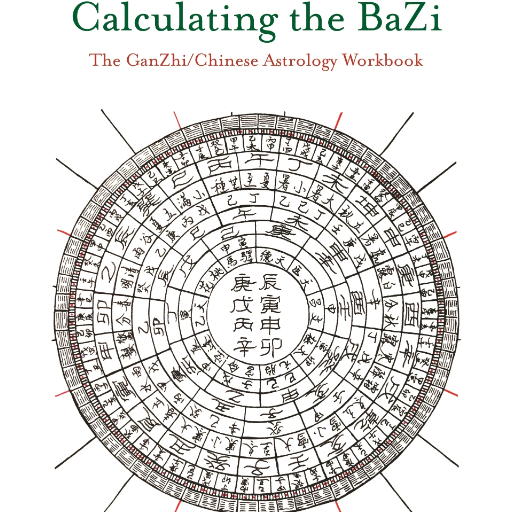
The calculation of the Day Pillar requires the identification of the Chinese calendar day that matches the Gregorian birthday date.
This process needs either a Chinese calendar converter tool or a trustworthy reference table. The Day Pillar is established by first determining the lunar date and then applying the 60-day method which uses the heavenly stems and earthly branches system. The process starts from a fixed reference point which is the beginning of the Chinese year and then proceeds to determine the proper stem-branch combination through counting in both directions. This Pillar provides essential information about daily effects which include personal relationships and the development of personal traits.
How to Calculate the Hour Pillar
The Hour Pillar calculation starts with the identification of the birth time which needs both time zone adjustments and daylight saving time corrections. The 24-hour time divided into 12 segments creates two-hour periods which each represent one Chinese zodiac animal. The Rat segment lasts from 11 PM until 1 AM and the sequence continues until the Boar segment which lasts from 9 PM until 11 PM. The birth hour zodiac animal gets matched with its correct heavenly stem according to the Day Pillar. The complete Hour Pillar which consists of all 12 stem sequences gets constructed through each daystem which creates distinct hour stem patterns that show personality traits and life patterns.
Solar and Wu Shen Yi Interpretations
The Solar and Wu Shen Yi interpretations serve as fundamental elements that connect astronomical studies with metaphysical concepts within Chinese astrology. The Solar calculation uses solar movement to establish accurate time intervals while demonstrating how seasonal changes affect Qi energy distribution. Wu Shen Yi focuses on how people maintain their connection with the Five Elements and Heavenly Stem-Earthly Branch cycles. The interpretive method combines individual characteristics with environmental aspects to create a framework that shows how people experience time and how it shapes their personality development and life path.
Interpreting Your Bazi Chart
Reading the Four Pillars
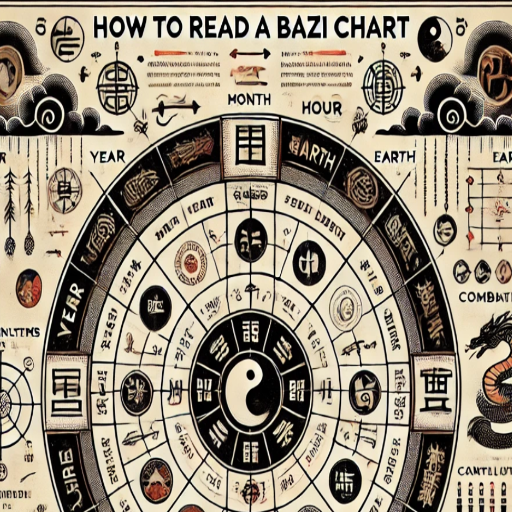
The Four Pillars of a Bazi chart show essential parts which determine a person’s fate through their Year Month Day and Hour elements. The pillars consist of Heavenly Stems and Earthly Branches which demonstrate how Five Elements interact with time cycles. The Year Pillar reveals ancestral heritage and early life environment between people and their direct relatives. The Day Pillar reveals inner character traits and social connections which include marital bonds while the Hour Pillar shows life goals and future chances and lineage. The pillars show how outside elements and personal characteristics work together to create a better understanding of life journey.
Cosmic Influences on Your Bazi Chart
Cosmic forces in a Bazi chart originate from the active connections between heavenly stems and earthly branches which display the elemental forces present at your moment of birth. The celestial bodies including the Sun and Moon and planets create forces which control the cosmic system that defines your chart’s yin-yang balance and its five elements which include Wood Fire Earth Metal and Water. The specific element positions show your life energy pattern which determines your character development and the possibilities and obstacles you will face. The analysis of cosmic patterns helps practitioners to understand how universal energies interact with your natural abilities.
Practical Applications of Bazi Analyses
Bazi analyses serve as useful tools which help people choose their career paths and assess relationship compatibility and make personal choices. Practitioners use element analysis from an individual chart to select appropriate career options which match their strengths and guide them on when to start their business or investment activities. Bazi analysis helps people build better relationships by assessing how well two people get along and showing ways to solve their conflicts while deepening their relationship. The practical method helps people use their natural skills while they work with beneficial external forces.
Common Mistakes to Avoid When Plotting Bazi Charts
Misinterpretations of the Pillars
The pillars in a Bazi chart require complete understanding because their meaning extends beyond what people see at first glance. The heavenly stem and earthly branch structure each pillar into different components which show different parts of a person’s life including their behavior their relationships and their professional path and their life journey. The practice of studying a single Bazi pillar without connecting it to other pillars or the complete chart results in incorrect findings. The Year Pillar shows both ancestry and social connections but its full impact appears when studied with other pillars. Bazi theory analysis needs a holistic view and contextual understanding and recognition of element cycles.
Neglecting the Cosmic Elements
The Bazi reading loses its accuracy because Bazi analysis fails to recognize cosmic elements which show how heavenly stems connect with earthly branches. The cosmic elements of a time period or an individual life chart define their energy dynamics and their power to affect the flow of that specific time. The analysis becomes too simple because it depends on incomplete information which leads to incorrect results. The process of comprehensive evaluation requires assessment of all cosmic forces which must be evaluated for their actual effects and their connections with other forces.
Overcomplicating the Calculation Process
The calculation process becomes overly complex because people try to add too many variables while they create a complicated system that obscures its basic concepts. The analysis procedure should use detailed analysis because it provides better understanding while calculations need only essential elements for their execution. The excessive focus on small details in astronomical alignment and life chart analysis creates a situation which prevents people from seeing important patterns. The development of reliable and effective outcomes depends on the use of direct methods which research-supported systems establish as essential.
References
-
How To Read Bazi Chart – A detailed guide on understanding and reading Bazi charts step-by-step.
-
(PDF) The Correct Way of Understanding a Person’s Destiny – This academic work provides insights into Bazi fundamentals and personal destiny analysis.
-
Chinese Zodiac: The Secret Astrology Of The Orient – Discusses Bazi chart elements and their applications in understanding wealth and prosperity.
Frequently Asked Questions (FAQ)
What is a Bazi chart and how does it derive from the Hsia calendar?
A Bazi chart (八字) functions as an ancient Chinese method to calculate human destiny through its four essential components which track year month day and hour using special Chinese timekeeping systems. The method calculates birth data through its eight Chinese characters which follow the traditional Chinese Hsia calendar and Chinese calendrical methods. The standard set of elements creates the basis for detailed fortune analysis which practitioners use for both feng shui and traditional methods.
Who is the day master and why is the day master central to evaluating a Bazi chart?
The day master represents the Bazi chart holder through his day pillar which uses the day pillar’s Heavenly Stem as its main element. The day master serves as the main element for evaluating elemental connections because it establishes all relationships which include ten gods and other elements which provide or control support. The yin and yang characteristics of the day master together with its strength and weakness enable you to analyze which elements create harmony or conflict while assisting you to understand personal character traits and professional development and relationship dynamics.
How do you plot a Bazi chart manually (step-by-step) and include luck pillar calculations?
The manual Bazi chart plotting process begins with converting Gregorian birth date and time into traditional Hsia calendar day and hour followed by establishing year month day and hour elements through their Heavenly Stem and Earthly Branch components to create eight characters. The process starts with establishing the day master which enables analysis of elemental interactions through ten gods. The process begins with determining the day master which enables the evaluation of elemental interactions among the ten gods. The process starts with determining the day master which enables the evaluation of elemental interactions among the ten gods. The process begins with determining the day master which enables the evaluation of elemental interactions among the ten gods. The process begins with determining the day master which enables the evaluation of elemental interactions among the ten gods. The process begins with determining the day master which enables the evaluation of elemental interactions among the ten gods. The major cycles which determine fortune need to undergo assessment. The system uses birth pillar positions to produce luck pillars while it determines whether the chart follows a forward or backward sequence based on specific yin/yang rules and additional regulations.
What are the ten gods and how do they help in evaluating elemental interactions?
The ten gods represent symbolic connections between the day master and other stems which display different functional roles which include resource output authority and wealth functions. The elements enable testingof elemental interactions because they demonstrate whether elements function together or create conflicts. The analytical process needs to document which ten gods exist in the four pillars together with the luck pillar sequence to create an assessment of career health and wealth outcomes which reveals hidden lifestyle patterns.
Can you use a Bazi chart without hour or exact birth time, and what limitations should you be aware of?
You can create a basic Bazi chart without exact hour, but it will be incomplete: the hour pillar adds crucial detail to the ten gods and luck pillar transitions. A chart without the hour may still allow a general assessment of day master strength, elemental influences, and major configurations, but it limits precision for forecasting and harmonizing interventions in feng shui or timing decisions. The precise birth time serves as essential information required for comprehensive knowledge and accurate fortune testing.
How do analysts assess balance and harmony in a Bazi chart and when is a chart considered harmonious?
The day master strength together with the five elements presence and interaction and the ten gods distribution across pillars and luck pillars serves as the method for analysts to check balance. A harmonious chart typically has supportive resource and controlling elements in appropriate proportions, with helpful elements available during key cycles. The process of assessing elemental functions together with tai influences permits the evaluation of life situations through both feng shui methods and behavioral change requirements.